


Published on: February 4, 2026, 05:28h.
Updated on: February 4, 2026, 05:28h.

- Licensed Nevada brothel employees experience unexpected bans on X, despite full legal compliance
- A broad interpretation of “sexual services” affects even non‑sexual content shared by licensed professionals
- Activists caution that unclear moderation policies threaten lawful careers and wider online expression
An increasing number of legally certified sex workers in Nevada report being caught in a sweeping purge of their accounts on X, the platform formerly known as Twitter, even though they adhere strictly to state laws and only share safe-for-work content.
As reported by the adult industry publication AVN, brothel staff across various Nevada counties where prostitution is sanctioned have encountered abrupt account suspensions, lockouts, and permanent bans in recent weeks, all without prior notification or rationale.
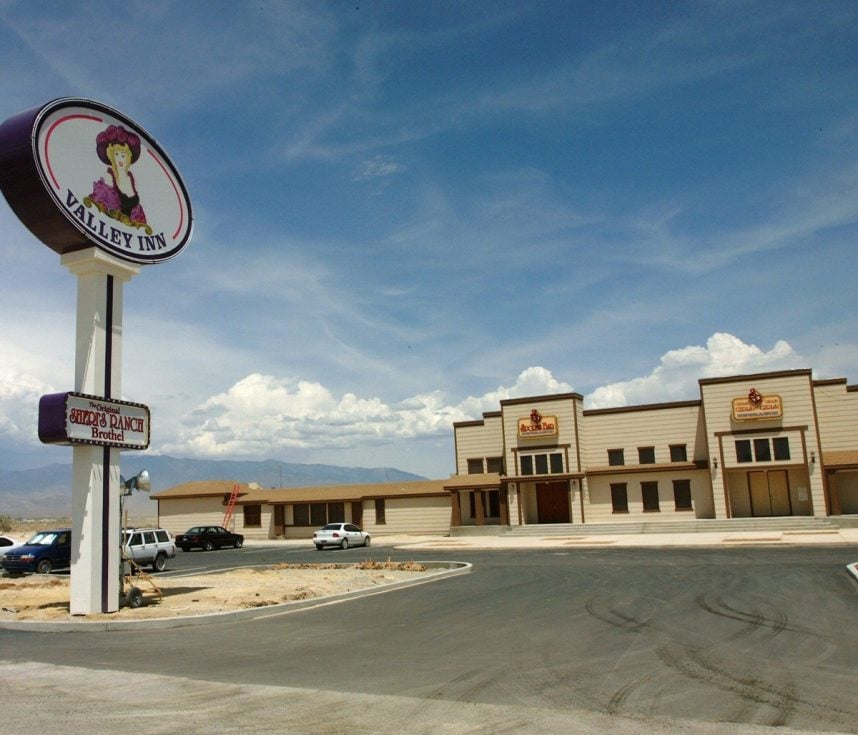
The issue was first highlighted by Jeremy Lemur, the marketing director at Sheri’s Ranch in Pahrump, who detailed on Medium that legal sex workers in Nevada are facing a “significant and unprecedented wave of account suspensions.”
Several workers confirmed to AVN that their profiles—which they use for educational purposes, personal branding, and legal business promotion—were removed from X even though they contained no explicit or soliciting material. One prominent courtesan, who had cultivated an audience of more than 90,000 followers, recounted discovering her account had vanished overnight without any forewarning.
“For a platform that claims to champion free speech, X has turned into a hostile environment for the lawful brothel sector,” remarked Alice Little, a frequent worker at the Chicken Ranch in Pahrump, in an interview with AVN. “Most of my peers faced deletion—no warnings, and one day we simply woke up to find years of efforts erased.”
For numerous legal sex workers, social media is vital for safety communication, advocacy, and economic security. Losing access equates to losing visibility, community, and many years of professional achievements.
Sex Work Isn’t Free, and Neither Is Speech
At the heart of this dilemma is X’s regulation against “sexual services,” a term that broadly encompasses content seemingly aimed at arranging in-person encounters that involve financial transactions. This definition is expansive, covering activities such as prostitution, escorting, adult massage, and even sugar relationships.
Simply retweeting or mentioning such services can also lead to account suspensions.
X revised its policies in mid-2024 to officially permit consensual adult content, including nudity and sexual behaviors, provided these are properly tagged and not overly prominent. However, this exemption does not extend to the promotion or facilitation of in-person sexual services.
While brothels in Nevada engage in lawful operations under state and county regulations, X’s rules do not differentiate between legal and illegal contexts. Consequently, even non-sexual posts from certified workers can be flagged by automated systems.
Activists express concerns that if legitimate professions can be marginalized by vague moderation, broader forms of expression could be at risk in the future.
“Sex workers have historically served as a barometer for censorship,” Little commented to AVN. “If X can silence us, they can silence anyone they choose.”
Any Nevada county, except for Clark (where Las Vegas is located), Washoe (home to Reno), and Carson City (an independent area), can legalize prostitution if local voters decide to approve it. To date, 10 out of the 14 eligible counties have done so.