


Date of Posting: March 17, 2026, 01:14h.
Last Modified: March 17, 2026, 01:14h.

- Kalshi has initiated legal action against Arizona; state retaliates today
- Arizona’s 20-count criminal indictment claims Kalshi is operating an unlawful betting platform
- State officials criticized Kalshi for allowing contracts related to election events
In a comprehensive 20-count indictment, Arizona alleges that Kalshi is engaging in illegal betting activities, arguing that the prediction market provider should not be facilitating derivatives linked to political outcomes.
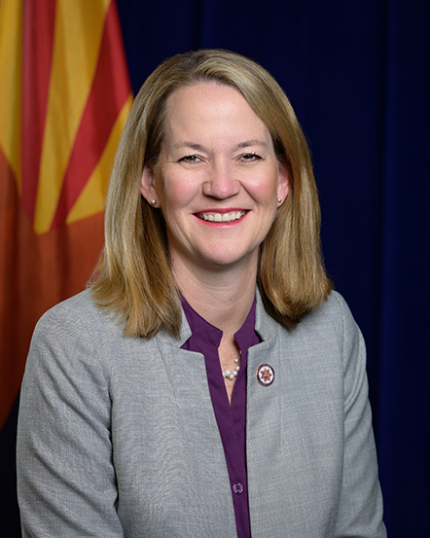
Attorney General Kris Mayes of Arizona (D) filed this indictment today — just five days following Kalshi’s preemptive lawsuit against the state. The company’s lawsuit is partially aimed at continuing to offer sports event contracts within Arizona. The state’s lawsuit explicitly addresses potential violations involving both political and sports event contracts.
The 20-count criminal indictment asserts that Kalshi has accepted wagers from Arizona residents on a diverse array of events, in violation of state regulations,” noted a statement from Mayes’ office. “These events encompassed professional and collegiate sports competitions, player performance proposition bets, and whether the SAVE Act would be enacted. The charges include four counts related to election wagering, specifically on the 2028 presidential election, the 2026 Arizona gubernatorial race, the 2026 Arizona Republican gubernatorial primary, and the 2026 Arizona Secretary of State race.”
According to Arizona law, offering products that resemble sports betting is prohibited, and all forms of betting related to elections are strictly banned in the state.
Arizona’s Action Against Kalshi is Expected
Among the various state-level legal conflicts involving Kalshi and other prediction market operators, Arizona’s stance is hardly surprising, as the state has consistently exhibited a stringent approach toward the industry.
In December, the state revoked Underdog’s daily fantasy sports (DFS) license and cautioned other gaming entities that they risk facing similar actions if they attempt to surpass the boundaries of prediction markets. Furthermore, in 2025, Arizona issued cease and desist notices to both Kalshi and Polymarket, prompting Crypto.com to withdraw its prediction market platform from the state.
Mayes asserts that Kalshi’s pattern of behavior is to engage in lawsuits against states rather than adhere to the regulatory frameworks established in those areas.
“Kalshi appears to have developed a routine of suing states instead of complying with their regulations. Just within the past three weeks, the company has filed lawsuits against Iowa and Utah, in addition to Arizona,” she stated. “Rather than operate within the legal structures set forth by states like Arizona, Kalshi opts to approach federal courts in an attempt to evade responsibility.”
AG Accuses Kalshi of Running an ‘Illegal’ Betting Operation in Arizona
The key issue for the courts to determine concerning prediction markets is whether these organizations are essentially offering sports betting under the guise of event contracts. Kalshi and some of its competitors contend that they are safeguarded by federal preemption, claiming that the Commodities Exchange Act (CEA) clearly delineates that event contracts do not constitute bets.
However, state authorities disagree and are contesting prediction market operators based on the premise that gaming regulations have historically been sustained at the state rather than the federal level. For her part, Mayes argues that Kalshi cannot choose which laws it respects and which it disregards.
“Kalshi may label itself as a ‘prediction market,’ but in reality, it is operating an illegal gambling enterprise and accepting wagers on Arizona elections, both of which infringe upon Arizona law,” stated the Attorney General. “No organization has the privilege to selectively abide by laws.”