


Reword all the content from original article, keep HTML tags, make it SEO friendly and unique
The NCAA is joining the Bad Actor Program, an initiative from sports integrity and data intelligence firms IC360 and Signify Group designed to identify and address online abuse targeted at college athletics.
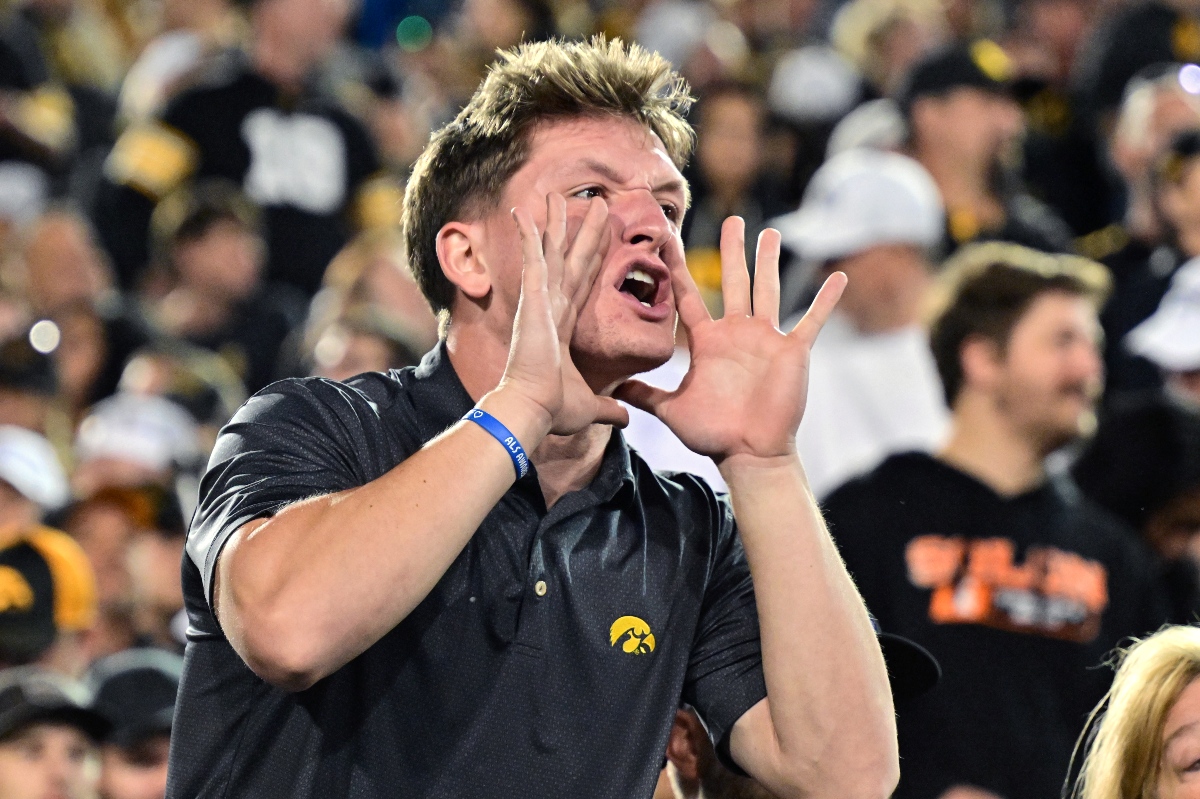
NCAA President Charlie Baker says online harassment from sports bettors directed at student-athletes, coaches, and referees remains rampant across college athletics.
IC360 and Signify’s Bad Actor Program scrubs social media for abusive online behavior directed at those involved with college sports. The initiative provides participating organizations with information that can be used to support accountability, including banning individuals from sportsbooks and barring them from live events.
Athlete harassment has no place in college sports,” said Baker. “The NCAA is committed to working with stakeholders across the sports betting ecosystem to eradicate this horrific behavior that plagues sports far too often.”
The NCAA is the first sports governing body to engage in the Bad Actor Program. To date, Fanatics Sportsbook is the only sports betting entity to align with the harassment detection and response system.
NCAA Players Report Abuses
The American Gaming Association says sports bettors in the U.S. risked almost $167 billion on sports through legal sportsbooks in 2025. Oddsmakers kept about $17 billion of the bets, a record haul for the books.
The record losses led to many angry bettors taking out their frustrations on college athletes. In November 2025, the NCAA released a survey that found 36% of Division I men’s basketball student-athletes experienced social media abuse related to sports betting within the last year, while 29% interacted with a student on campus who had placed a bet on their play.
Overall, 7% of Division I men’s sports athletes reported fielding a negative or threatening message from a sports bettor. Rates were much lower among women’s sports, but not nonexistent at about 1% of all female athletes.
The Bad Actor Program seeks to identify such harassment and penalize those individuals, whether through a betting ban, exclusion from live sports, or referrals to law enforcement agencies.
“The impact and consequences for athletes can be severe. What begins as an angry social media post can quickly escalate into targeted harassment, sustained abuse campaigns, direct threats, and, in some cases, behaviors that warrant referral to law enforcement agencies,” the Bad Actor Program website explains.
The goal is to turn intelligence into accountability, combining Signify’s Threat Matrix that detects threats across social media with IC360’s compliance infrastructure.
Student-Athlete Safeguards
The NCAA partnering with the Bad Actor Program follows the organization’s collaboration with Venmo in 2025 to identify and disrupt betting-related extortion.
Student-athletes have repeatedly relayed to the NCAA that they are receiving unsolicited payment demands from enraged bettors. Venmo offers a dedicated hotline for student-athletes to report potential cases of abuse on the peer-to-peer payment platform. Accounts found to be abusing student-athletes risk account closure.
The NCAA has also invested in a campaign called Draw the Line, a public service announcement featuring a commercial called Don’t Be a Loser. The spot calls attention to player harassment from bettors frustrated over betting outcomes.