


Published on: April 1, 2026, 01:46h.
Updated on: April 1, 2026, 01:46h.

- Licensed prediction markets regulated by the CFTC must eliminate insider trading.
- Addressing insider trading on prediction markets is a major focus for the CFTC.
The enforcement of regulations against insider trading in federally sanctioned prediction markets is a critical objective, according to the newly appointed enforcement director of the Commodity Futures Trading Commission.
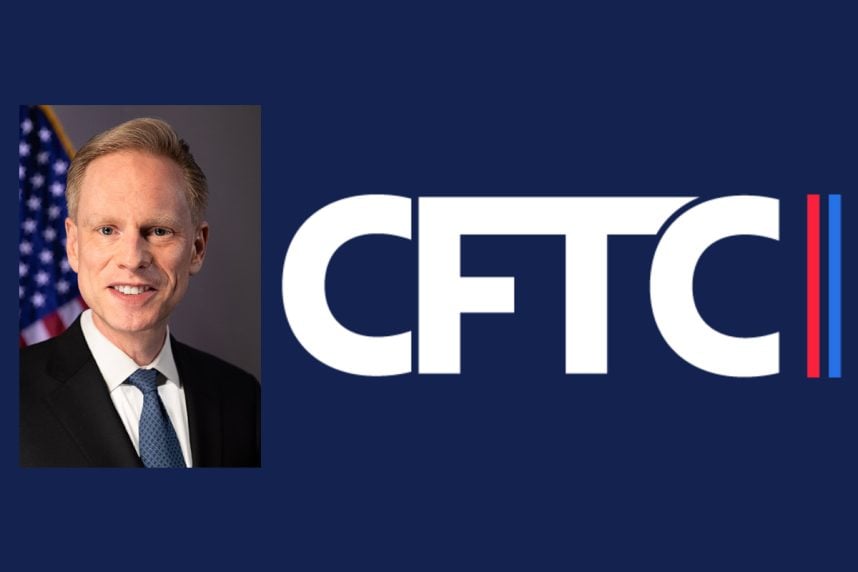
David Miller, appointed by President Donald Trump to lead the CFTC, was designated as the director of enforcement for the independent federal agency in early March.
Miller, who previously served as an assistant attorney in New York’s Southern District and was part of the Securities and Commodities Fraud Task Force, identifies the elimination of insider trading from prediction markets as a primary focus.
“I regard insider trading with utmost seriousness. Misappropriated information leading to insider trading in prediction markets is precisely the sort of severe violation we will actively pursue. We will diligently detect, investigate, and, where warranted, prosecute insider trading cases in prediction markets,” Miller stated Thursday at a CFTC enforcement event held at NYU School of Law.
Prediction markets enable traders to buy and sell shares based on future outcomes. Traditionally, these exchanges have operated within the commodities market, but platforms like Kalshi have recently expanded to include contracts on everything from elections to tonight’s NBA matches.
Responsibilities of Operators
Miller implied that prediction market operators bear some regulatory responsibility in ensuring their platforms are not exploited by insiders.
As outlined in our recent staff advisories and proposed rulemaking regarding prediction markets, exchanges have significant obligations under our essential principles concerning insider trading and market manipulation. These include maintaining appropriate surveillance, compliance measures, promoting fair trading practices, protecting against abusive behavior, and, importantly, ensuring that contracts offered are not prone to manipulation,” Miller stressed.
He further emphasized that “exchanges fulfilling their responsibilities” is a crucial aspect in combating market manipulation and insider trading.
Insider Information
In the past few weeks, a series of questionable, well-timed trades in prediction markets has raised concerns, suggesting that insiders may have leveraged nonpublic information for financial benefits. Some trades have reportedly involved DC insiders, with accounts appearing just hours before major events, such as the bombing of Iran and the passing of Ayatollah Ali Khamenei.
Miller informed the audience at NYU Law that the Commodity Exchange Act expressly forbids insider trading, including within prediction markets. However, he noted that there exists a nuanced distinction in identifying what qualifies as insider trading.
Our markets are focused on price discovery, rather than information disclosure. Market participants are entitled to utilize their own insights and intelligence when making trading decisions. For instance, we want a farm cooperative noticing issues with a harvest to be able to hedge its exposure,” Miller commented.
The CFTC’s top enforcement officer explained that the agency will only pursue actions against individuals who “tip or trade based on misappropriated information.” However, the CFTC is committed to pursuing such manipulations vigorously.