


Published on: April 17, 2026, 12:40h.
Updated on: April 17, 2026, 12:40h.

- North Fork Rancheria moves forward with casino development despite legal challenges in California
- Tribal gaming rights are contested as the tribe disputes state jurisdiction
- Public opposition and competition from other tribes complicate the ongoing legal landscape
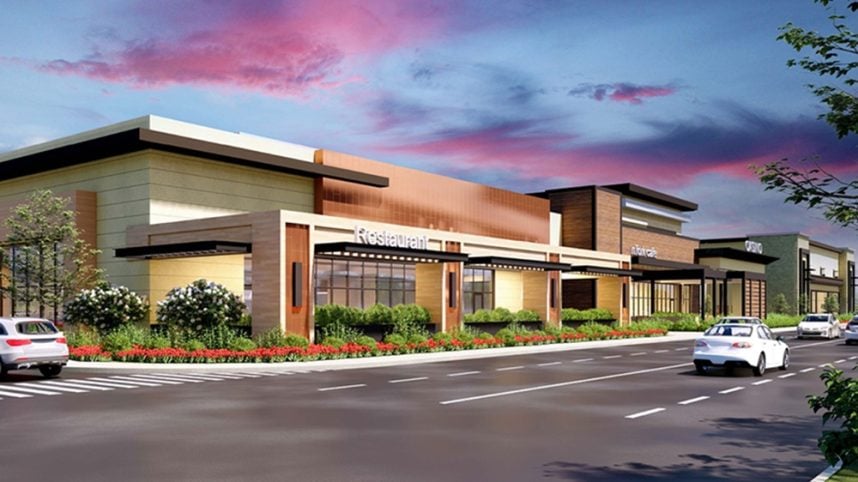
The North Fork Rancheria of Mono Indians is determined to continue constructing its $400 million casino resort in Madera County, California, undeterred by a recent ruling from the California Supreme Court affirming that the state does not authorize the project.
The California Supreme Court’s decision not to take on the case allows a 2025 appellate ruling to stand, which deemed the casino project unauthorized by state law following a 2014 public ballot rejection.
This situation creates a significant tension between state governance and federal laws that regulate tribal gaming, a battle the tribe believes it has already won.
An Ambitious Journey
The tribe has had aspirations for developing a casino since acquiring a 305-acre site off Highway 99, approximately 25 miles from Fresno, two decades ago. Groundbreaking for the resort occurred in late 2024, and it is expected to open soon.
To justify their decision to proceed, the tribe references federal approvals that they argue take precedence over state law.
The North Fork Rancheria’s entitlement to operate on its federally recognized trust land adjacent to Madera is solely regulated by federal law. Approvals for the North Fork project were granted in 2012 and 2016, and federal courts have subsequently upheld these decisions in final, non-appealable judgments,” the tribe stated in a communication to The Fresno Bee.
“North Fork remains committed to adhering to all relevant laws while advancing the construction of its project, which aims to enhance the local economy and improve the lives of its over 3,000 tribal members,” they added.
Support from Federal Authorities
The land was designated as federally recognized trust for gaming purposes in 2012, after the U.S. Department of the Interior verified the tribe’s historical connections to the land. Then-Governor Jerry Brown supported and ratified a tribal-state gaming compact.
Local opposition is represented by organizations like Stand Up for California!, which opposes the expansion of tribal gaming in California, as well as the Picayune Rancheria of Chukchansi Indians, who own and operate the Chukchansi Gold Resort located roughly 35 miles away.
These groups successfully prompted a statewide vote in 2014, known as Proposition 48, resulting in voter disapproval of the casino project and effectively obstructing it under state regulations.
However, in 2016, the United States District Court for the District of Columbia confirmed federal approval of the casino initiative. Judge Beryl Howell acknowledged the concerns raised by opposition groups but remarked that “the law does not support their position.”