


Published on: April 23, 2026, 06:47h.
Updated on: April 23, 2026, 06:47h.

- Oklahoma Senate rejects mobile sports betting initiative HB 1047 supported by tribal interests
- Conflict over gaming agreements and revenue sharing intensifies political rift
- Governor Kevin Stitt hints at veto amidst ethical and regulatory concerns
A proposed law enabling Oklahoma’s various tribal operators to engage in mobile sports betting was rejected on Wednesday after failing to sway the state Senate’s ultra-conservative factions, as reported by The Oklahoman.
HB 1047, introduced in the Senate by Sen. Bill Coleman (R-Ponca City), would have positioned the tribes to manage retail sportsbooks at their casinos, collaborating with online platforms such as FanDuel and DraftKings.
Importantly, the proposed legislation would have integrated sports betting as an extension of the tribes’ current gaming agreements, negating the need for any renegotiation.
Contentious Compacts
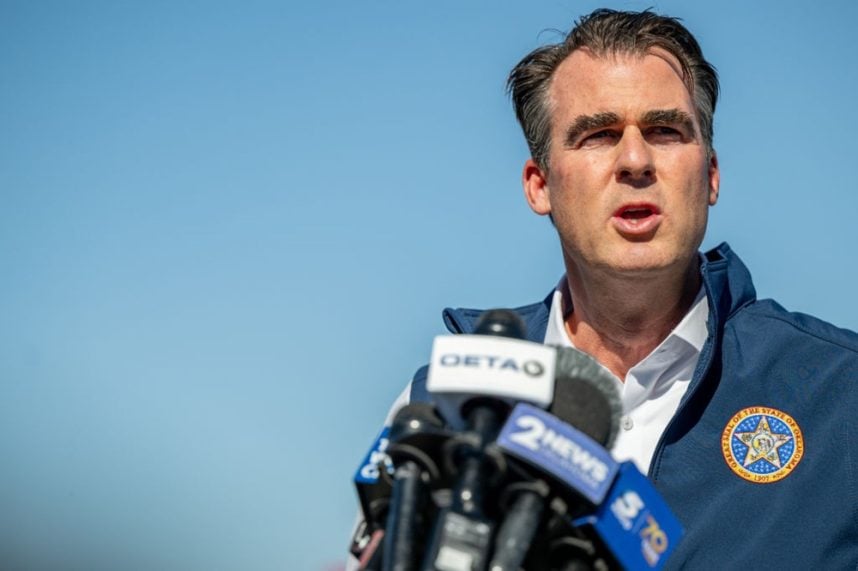
Oklahoma’s Republican Governor Kevin Stitt has consistently clashed with the tribes regarding the proportion of gaming revenue shared with the state. Stitt believes the current share is insufficient and sees sports betting as a means to renegotiate these compacts.
Consequently, while the tribes are interested in offering sports betting, they cautiously consider how the state might utilize this opportunity.
This particular bill had tribal support, according to Coleman, who mentioned backing from the Oklahoma Indian Gaming Association and endorsement from the Oklahoma City Thunder.
If passed, the revenue from sports bets placed outside the NBA and WNBA would contribute to a fund aimed at tourism, disbursing grants that would benefit the team, the University of Oklahoma, and Oklahoma State University, along with various student development initiatives.
Stitt opposed the measure and indicated he would veto it if it advanced.
Concerns of Moral Implications
Objections based on moral reasoning were raised on Wednesday. Sen. Dusty Deevers (R-Elgin), also a Baptist pastor, cautioned that the passage of the bill would implicate the state in a “moral hazard.”
This legislation doesn’t just legitimize a benign activity,” he stated. “It institutionalizes a vice and expects the state to gain financially from it. This poses a fundamental ethical dilemma.”
Coleman countered, arguing that the bill aimed to shield Oklahomans who already gamble, rather than introducing new temptations via unregulated offshore sites.
“This isn’t about increasing gambling options in Oklahoma,” Coleman asserted. “It’s about creating a regulated framework for sports betting involving our tribes.”
In the end, the bill was defeated with a vote tally of 27 to 21.