


Posted on: May 1, 2026, 07:21h.
Last updated on: April 30, 2026, 01:00h.

EDITOR’S NOTE: “Vegas Myths Busted” releases fresh entries every Monday, with a special “Flashback Friday” edition. This installment from our ongoing series first appeared on May 12, 2025.
“How did she manage to get up there, and maintain her balance?” one participant in the Golden Age of Las Vegas Facebook group posed, after an intriguing photo was shared on May 4. Another user speculated…
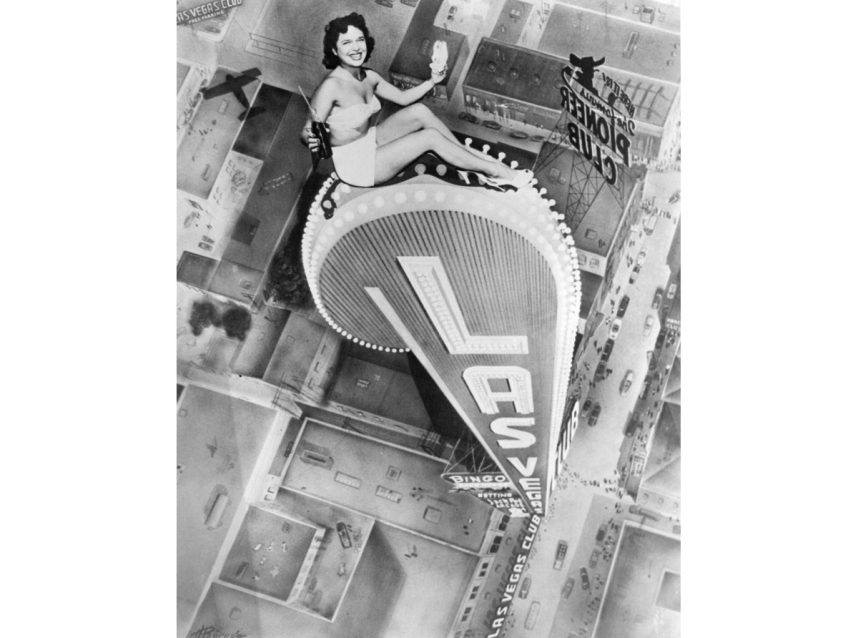
“To the left of the woman, there’s what seems to be a shadow of an airplane. Could that indicate where the photograph was shot from?”
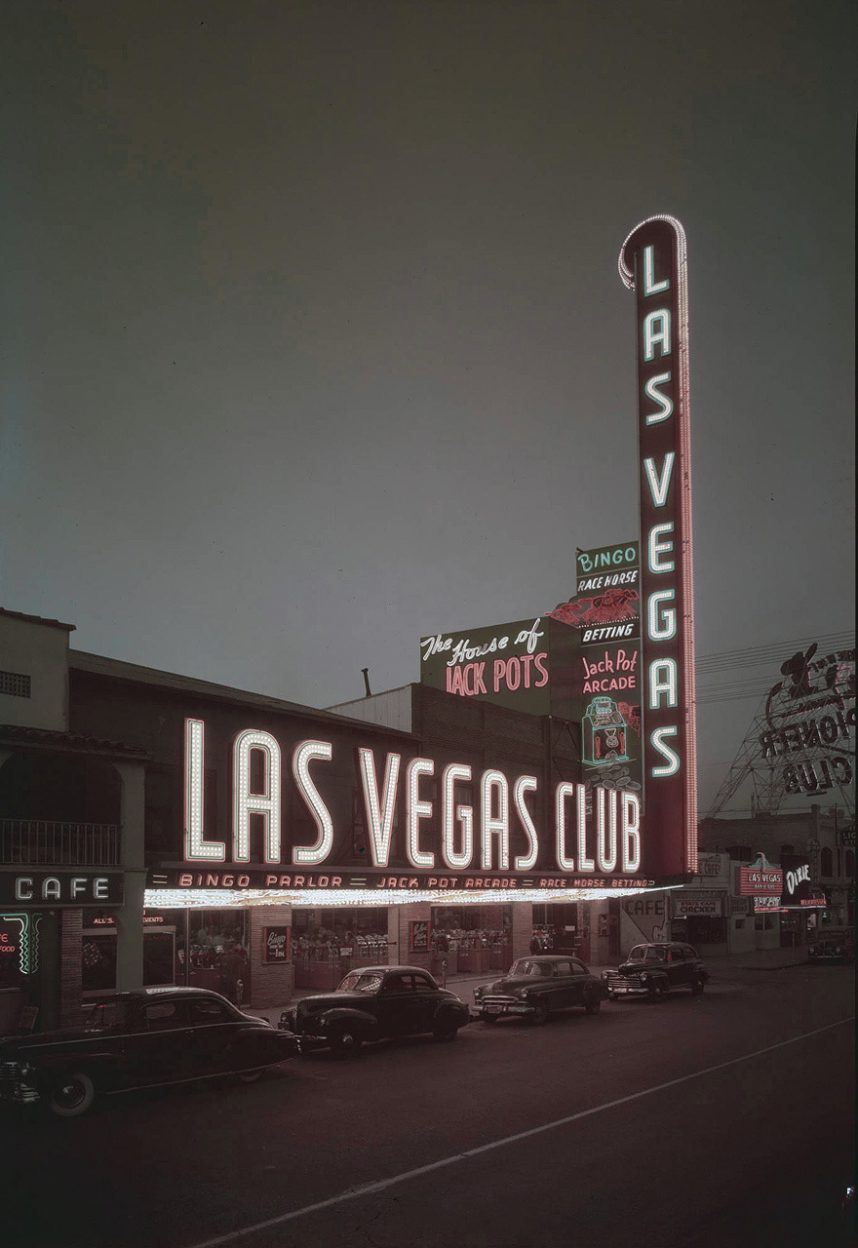
Another contributor had an epiphany: “Maybe it was a helicopter or crane. My bet is on the crane since the photographer would have remained onboard.”
In reality, an elevator was incorporated into the tallest sign in Las Vegas when it was erected in 1949. This facilitated maintenance workers in changing the numerous incandescent and neon bulbs, which soared up to 90 feet above the newly established Las Vegas Club at 18 Fremont St. (100 feet in total).
However, LaVeeda Varley never utilized that elevator for this photograph because she was never actually on top of that sign.
Tall Myth
The aerial shot of the Las Vegas Club was an artistic representation created by Hermon Boernge, art director at YESCO sign company, who co-crafted the casino’s sign alongside senior designer Kermit Wayne in the Art Moderne style.
Boernge integrated a genuine photograph of Varley into his artwork. Captured by Vegas News Bureau photographer Joe Buck in 1949, it depicted Varley enjoying a sandwich and a Coke by the El Rancho pool while clad in a bikini.
Boernge literally cut and inserted Varley’s picture into his illustration, strategically adding shadows to simulate those cast from her legs and the Coke bottle.
The illustration is identifiable as an artistic render due to the awkward upward slant of the “LAS VEGAS CLUB” letters at street level, particularly evident on the parking lot sign located at the upper left (compromising realism for branding).
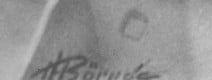
It’s also discernible because the illustration is marked with “HBoernge” in the bottom left corner.
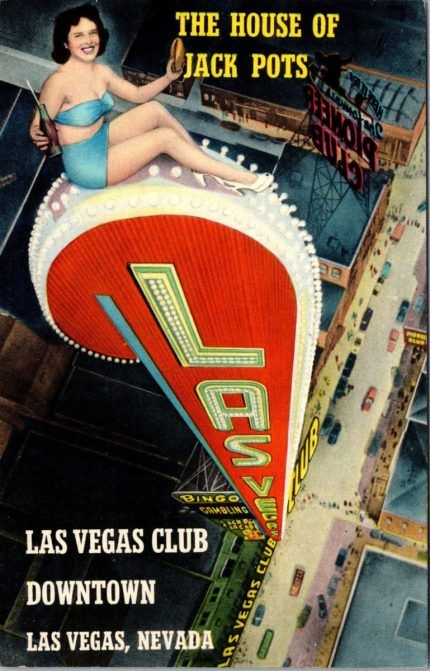
This illustration was prominently featured in national print advertisements for the casino, and a colorized version was marketed as a Las Vegas Club postcard.
While we’ve succinctly debunked a myth, we continue to write because the actual narrative behind LaVeeda Varley’s iconic image, and the regrets of her famous husband, is far more exciting than many myths…
LaVeeda’s Glamorous Life
On July 30, 1951, Varley, then 27, became the third spouse of Luther Bacon “Tutor” Scherer, who was 44 years older than her. They crossed paths in 1950 at the El Rancho, where he held the role of casino president while she served drinks. At that time, Scherer also had ownership stakes in the Las Vegas Club, clarifying Varley’s association with the iconic image.
Their wedding was an extravagant affair at the Church of Jesus Christ of Latter-day Saints in Las Vegas. Dubbed the social highlight of the year, it attracted 4,000 attendees and cost $25,000 (approximately $300,000 today).
On July 7, 1952, just a few weeks shy of their first anniversary, Varley discovered Scherer with another woman at their home located at 10th Street and Charleston Boulevard.
In the ensuing confrontation, Varley shot her husband in the leg. He survived, and both maintained that it was an accident. Authorities accepted their story — or at least pretended to.
No charges were filed against Varley, and she faced no arrest.
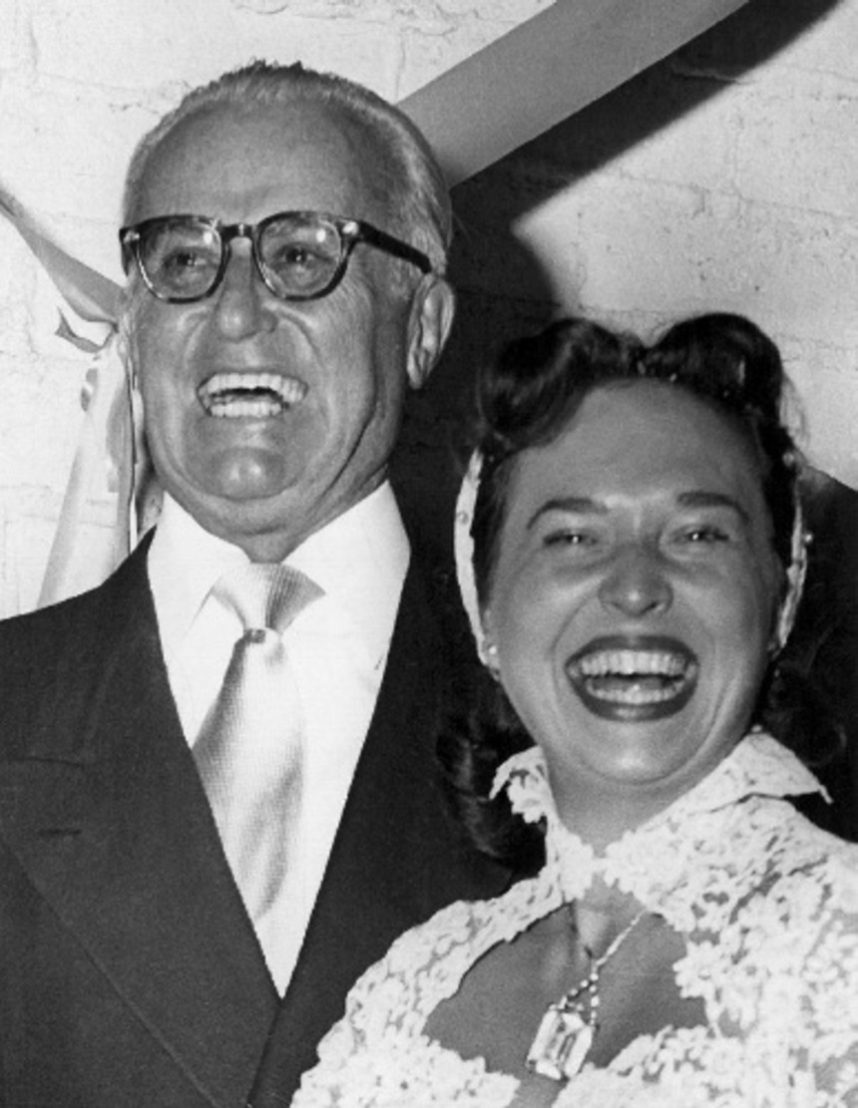
Shortly thereafter, a humorous poem regarding the incident appeared in publisher Hank Greenspun’s column in the Las Vegas Sun: “Mrs. Tutor Scherer / No Annie Oakley / she aimed for the groin and hit the knee.”
This purposely amusing verse aimed to poke fun at the poetry penned by Scherer, recognized as Nevada’s 1950 Poet Laureate, which he frequently published in local publications.
Varley and Scherer discreetly finalized their divorce by the end of that year. He later married another cocktail waitress, making her his fourth wife, a 24-year-old named Judy Cauley.
There were no recorded incidents of gunfire during their marriage, which continued until Scherer’s death in 1957.
Join us for “Vegas Myths Busted” every Monday on Casino.org. For more previously debunked Vegas myths, check out VegasMythsBusted.com. Have a Vegas myth you think needs clarification? Contact us at [email protected].