


Published on: June 11, 2026, 05:38h.
Updated on: June 11, 2026, 05:39h.

- Judicial ruling protects tribal casino from utility disconnection amid solar controversy
- Prairie’s Edge solar facility projected to meet 30% of energy demands
- This decision might influence future renewable energy initiatives for tribes and rural areas
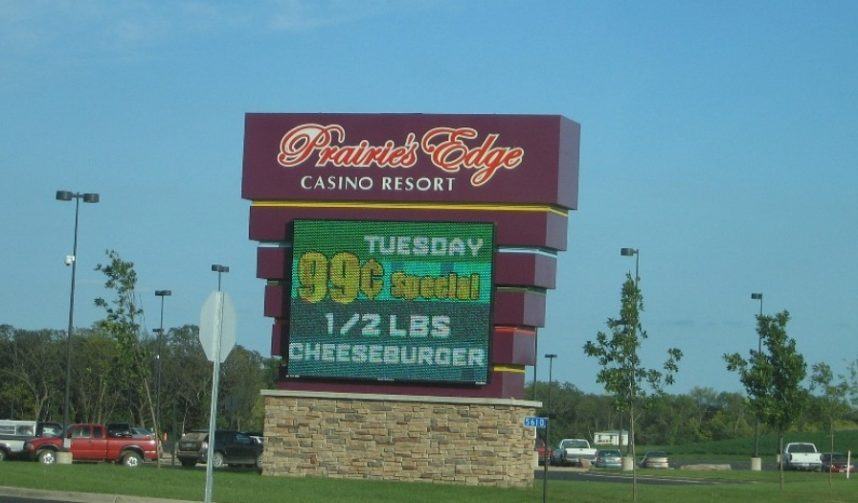
A judge in Minnesota has effectively ruled that a rural electric cooperative is prohibited from disconnecting power to the Prairie’s Edge Casino Resort as a form of retaliation against the Upper Sioux Community for establishing a solar energy installation.
The Minnesota Valley Cooperative Light and Power Association, a local utility serving parts of western Minnesota, argued that the tribe’s 2.5 megawatt solar setup far exceeded their permissible limit of 40 kilowatts and threatened disconnection if the system was activated.
Obligation to Serve
The Upper Sioux Community invested in this cutting-edge solar project to reduce energy costs and enhance its commitment to sustainable energy solutions, estimating that the solar array will fulfill approximately 30% of the casino’s energy requirements. The tribe maintained that the system is for the sole use of the casino and does not reintegrate power back into the main grid, hence the utility’s regulations shouldn’t apply.
The casino is vital to the tribe’s economy, generating revenue that supports housing, healthcare, education, and law enforcement services.
The tribe also asserted its status as a sovereign nation, contending that it should not be bound by Minnesota’s utility statutes.
However, Administrative Law Judge Joseph Meyer found it unnecessary to address the sovereignty claim, ruling instead that the utility’s policies do not restrict so-called “behind-the-meter” energy systems that utilize on-site electricity rather than exporting it to the grid.
He determined that terminating the casino’s electricity based on the solar initiative would breach the utility’s service obligations.
No Monopoly on Electricity
In June 2025, the Minnesota Public Utilities Commission expressed strong disapproval of the utility’s stance, stating that cutting power to essential facilities like a casino could pose risks to individuals dependent on cooling or medical devices.
A commissioner inquired whether the Minnesota Valley believed it owned a “monopoly on electricity” instead of holding a “duty to serve.”
Hudson Kingston, Legal Director of the environmental advocacy group CURE, remarked to Minnesota Public Radio on July 10 that this ruling is a positive outcome.
“This is a very decisive – very definitive – ruling that co-ops cannot implement regulations that restrict behind-the-meter solar installations,” he stated. “This ruling is excellent news for other members of co-ops, tribal governments contemplating significant solar projects, and the ongoing transition of the electrical grid to greener energy alternatives.”