


Published on: June 22, 2026, 07:21h.
Updated on: June 21, 2026, 08:24h.

The narrative claiming that Chicago mob leader Al Capone bribed legislators in Nevada to legalize gambling is frequently circulated, yet it collapses under scrutiny due to a lack of credible backing. No evidence exists, aside from assertions in a self-published book by Capone’s grandniece. There are no documents, newspaper articles, or stray notes from the FBI to substantiate this tale.
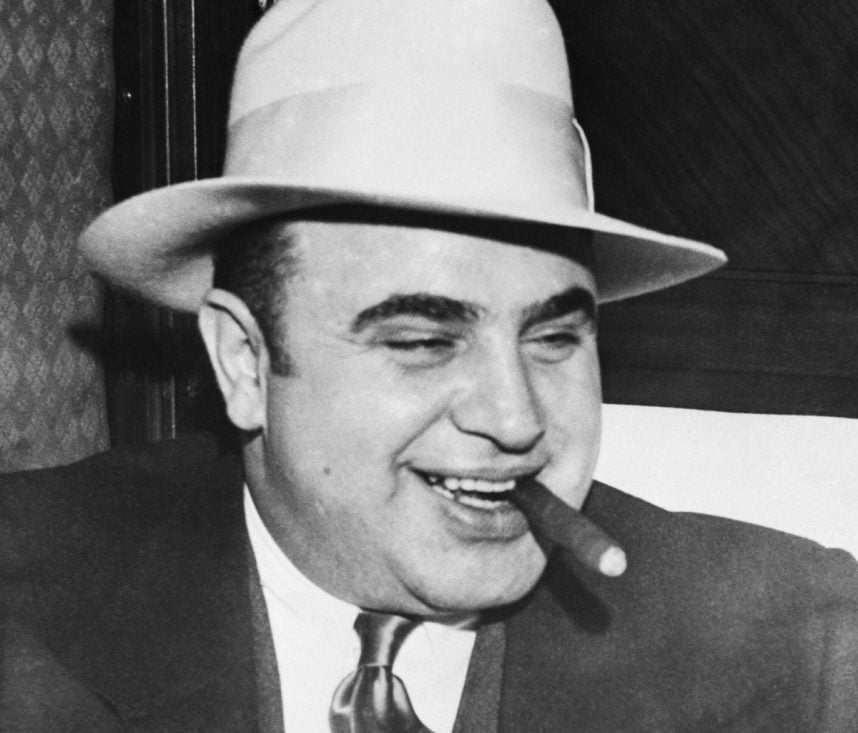
If Capone truly had influence in Carson City, Nevada’s capital, someone would have noticed. In 1931, Nevada was hardly a bustling metropolis like Manhattan; the political and journalistic circles were small, and rumors spread quickly. Yet the historical record remains silent on this purported story.
Nevada made gambling legal on March 19, 1931, primarily because the state was financially in dire straits. The collapse of its mining industry amidst the Great Depression led to a severe drop in tax revenues. Taxing vice was simply a more feasible alternative than taxing unemployed miners.
That’s the complete narrative. No bribes. No intimidation. No Chicago associates donning fedoras.
At that time, Capone was embroiled in a federal investigation for tax evasion. He was indicted in June 1931 and convicted that October. He was more focused on his freedom in Chicago, where his bootlegging and gambling operations thrived, rather than influencing a distant state where he lacked any business interests.
Debunking the Myth
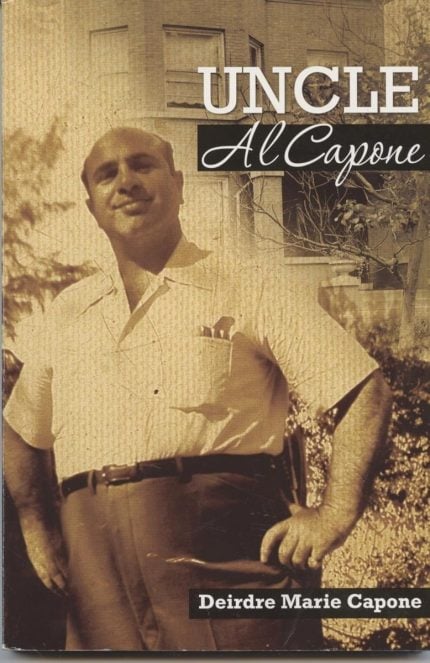
Uncle Al Capone: The Untold Story From Inside His Family propagated this myth long after all involved had passed away. This 2010 publication alleges to recount the narrative from Deirdre Capone based on stories her grandfather, Ralph Capone (Al’s elder brother), shared before his death in 1974.
“Al and I visited there (to Vegas) a few times to assist with its establishment,” quoted Deirdre in the book. “Later, around 1930, we helped influence key figures in Nevada to legalize gambling.”
The text further claims that Ralph proudly told Deirdre he had alerted Benjamin “Bugsy” Siegel to the potential of Las Vegas.
“Yes, Al and I went there before Bugsy even knew about Las Vegas,” Ralph is cited as saying to his granddaughter.
The book also claims Ralph opened the first casino in what would become the Las Vegas Strip, known as the Pair-O-Dice Club, although no documentation exists due to ongoing law enforcement scrutiny. (This assertion is misleading, as the first licensed casino on the Strip was the Red Rooster, opened at least a month earlier.)
Misleading Family Narratives
While family anecdotes make for entertaining discussions during festive gatherings, they do not equate to credible evidence.
Upon the release of Uncle Al Capone, it faced criticism from numerous Nevada historians.
“It’s astonishing how many individuals now claim they were the pioneers behind the creation of Las Vegas,” remarked Robert A. Stoldal, chair of the Nevada State Museum and Historical Society board, in an interview with the Tahoe Daily Tribune in 2012, asserting that his research yielded “no documentation” to validate the book’s lavish claims.
Former curator Eric Moody of the Nevada Historical Society added: “It’s merely rumors and family anecdotes.”
Fragments of Reality
Indeed, there were connections between Chicago-related entities and Nevada pre-1931. Bill Graham and Jim McKay, operating in Reno, managed the Bank Club, one of the largest illegal gambling venues in the state. They had tenuous links to Capone’s network and actively pushed for gambling’s legalization, aiming to profit immensely from it.
Frank Detra, the true builder and proprietor of the Pair O’ Dice, along with his spouse, Angelina, did indeed have connections with Al Capone, including possession of an engraved pocket watch given to him by the mobster.
This myth, however, manipulates a few authentic connections from Chicago, infuses a dose of Prohibition-era intrigue, and fabricates a tale that never truly transpired.
Still skeptical? Deirdre’s book also asserts that “no Capone… no member of the Chicago Outfit had any part in the St. Valentine’s Day Massacre” on February 14, 1929. Despite a strong historical consensus indicating that Capone orchestrated the hit on Bugs Moran’s North Side Gang, the book insists that “police were responsible for shooting those seven individuals.”
We are not necessarily accusing the author of fabricating these inaccuracies in her publication. Individuals entrenched in crime have a tendency to distort reality to shape their legacies, even for their loved ones. (Especially for them, in fact.)
Therefore, while a famous surname can carry weight, it does not legitimize claims devoid of factual foundations.
Explore “Vegas Myths Busted” every Monday on Casino.org. Visit VegasMythsBusted.com for previous myth debunkings. Have a Vegas myth that warrants investigation? Reach out via email at [email protected].