


Published on: June 25, 2026, 12:21h.
Updated on: June 24, 2026, 12:23h.

- The once-troubled ultra-luxury establishment The 13 Hotel has been rebranded to The 13 Palace
- Initially envisioned by Stephen Hung as a luxurious getaway for high-stakes gamblers, this project became a symbol of failure in Macau
- Experts in the industry suggest that the future viability of The 13 Palace may hinge on forming an alliance with one of Macau’s six licensed casino operators
Macau’s most extravagant boutique hotel has undergone rebranding and is ready to welcome guests again, establishing itself as the only region in China where casino wagering is legal.
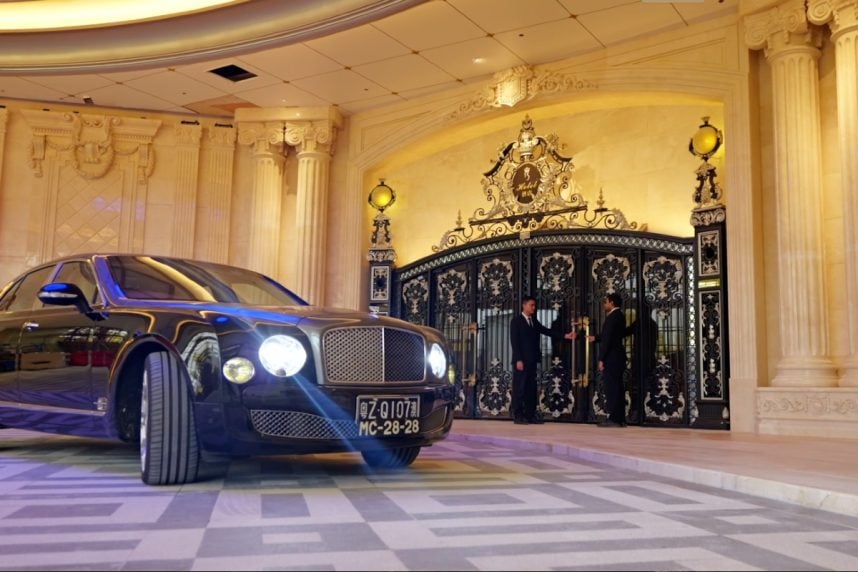
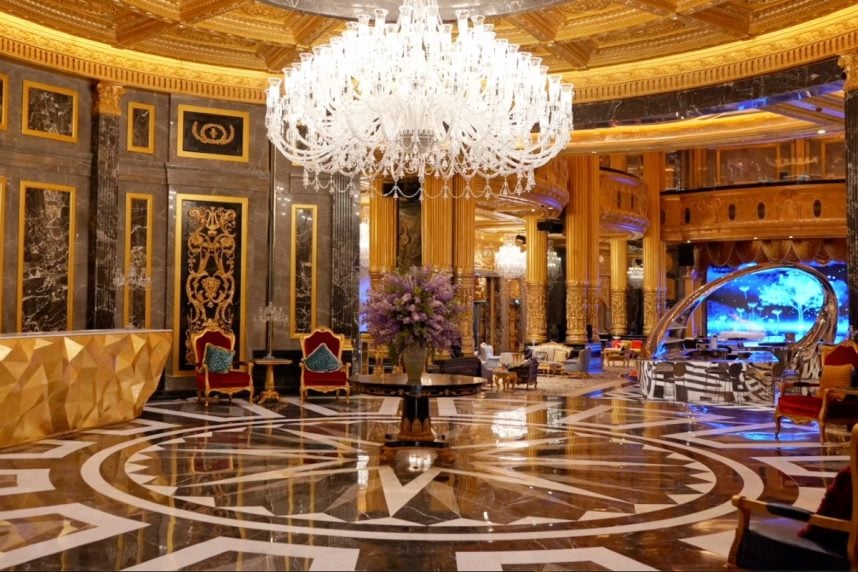
The 13 Hotel has transformed into The 13 Palace, an opulent all-villa resort boasting 199 rooms, situated approximately one mile south of the bustling Cotai Strip filled with extravagant casino properties.
Last year, The 13 Palace was acquired by its creditors for a mere $76.6 million. The new owner, Loi Keong Kuong, is a notable real estate mogul with a footprint in both Asia and Australia, having previously established the Rio Hotel Macau, which once featured casino operations in collaboration with Galaxy Entertainment.
Loi is not a passive investor; he swiftly initiated essential renovations to the towering red eyesore that has remained largely unoccupied since its 2018 debut.
The property, which still lacks a casino, has discreetly reintroduced its 199 rooms to the market early this year. With a fresh gold facade, updated website, and new name, it signals a new era under Loi’s management.
The Narrative of The 13 Macau
Once intended as an elite sanctuary for the ultra-wealthy, Stephen Hung’s ambitions led to personal financial ruin when he pursued the concept of this ultra-luxurious resort.
Hung proposed the project during a peak year for Macau’s casino revenue in 2013, which hit an astonishing $45 billion. Despite declining revenues and increased scrutiny from Beijing regarding VIP junket operators, he remained oblivious to market signals and continued unabated.
While shares of his developing company plummeted, Hung divested much of his portfolio, including his 52% interest in Paul Y Engineering, a major player in Hong Kong’s construction sector, to finance The 13’s completion.
Despite losing investors and the reluctance of all six casino firms to run gambling operations at The 13, Hung went ahead and ordered 30 custom red Rolls-Royce Phantoms for $20 million, intended as luxury transport for guests, which were later liquidated for less than $4 million during bankruptcy.
Can Loi Attract Casino Operators?
The number of VIPs in Macau has dramatically dwindled compared to a decade ago. The existing six casinos continue to entice high-rollers through lavish accommodations and exclusive perks, while also adapting to attract a broader audience including mass and premium market players.
For The 13 Palace to truly thrive as a hotspot for high-stakes gambling, it must first forge a partnership with one of the current six casino operators. It is anticipated that Loi will negotiate with Galaxy about managing a compact gambling venue within The 13.
The upscale offerings at The 13 Palace, including villas ranging from 2,000 to 10,000 square feet, make it a potential magnet for high rollers. While it features a spa and gourmet dining options, it lacks some amenities found in integrated resorts on Cotai.
Currently, The 13 Palace reportedly employs Bentleys and Maextro S800s for guest transportation. Reservations can only be made by reaching out to the hotel directly.