


Posted on: June 27, 2026, 10:30h.
Last updated on: June 27, 2026, 10:30h.

- Federal magistrate judge mandates Musk’s appearance for a deposition while suggesting fraud allegations should move forward past summary judgment.
- Judge determined that jurors must assess if the claims of random $1 million giveaways misled voters into disclosing personal details.
- Court proposed dismissing breach of contract allegations, concluding that the promotion lacked an enforceable agreement under Texas law.
Elon Musk has been ordered to provide testimony in two class-action lawsuits claiming his controversial $1 million “election lottery” constitutes fraud.
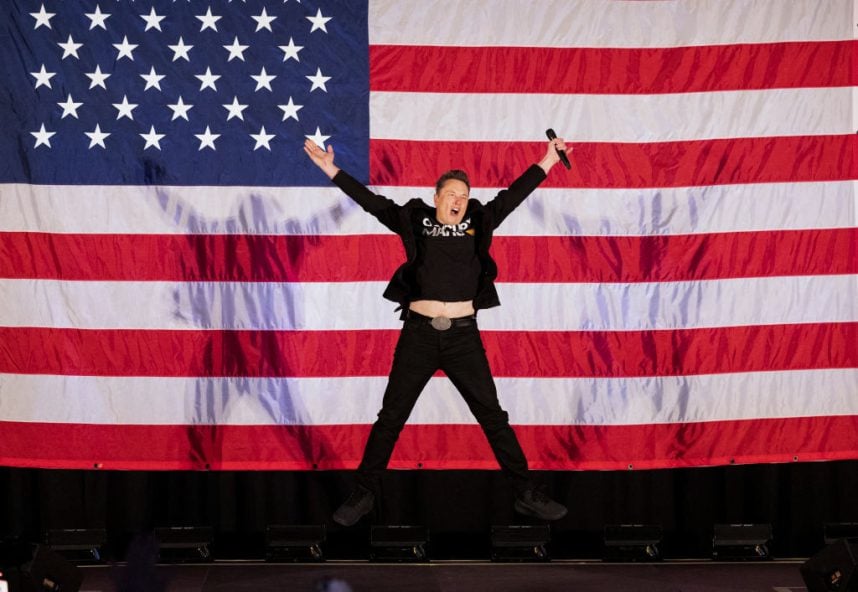
On June 25, U.S. Magistrate Judge Susan Hightower in Austin, Texas, advised that fraud allegations against Musk and his pro-Trump political action committee, America PAC, should progress beyond summary judgment. She also instructed Musk to participate in a deposition regarding the cases.
As the 2024 presidential election approached, Musk and America PAC proposed a daily giveaway of $1 million “at random” to registered voters in pivotal states. To enter, voters had to provide personal information and endorse a petition supporting free speech and gun rights.
Leave Nothing to Chance
This led the Philadelphia District Attorney’s Office to initiate legal action against Musk and America PAC, alleging election fraud and operating an illegal lottery.
According to federal law, it is a criminal offense, carrying a maximum sentence of five years in prison, to “offer to pay or accept payment either for voter registration or for voting.” The DA contended that this is exactly what the giveaway implied.
Ultimately, Judge Angelo Foglietta reached a different conclusion, but not before Musk’s attorney, Chris Gober, revealed details about the alleged lottery’s mechanics.
The “winners” were not randomly selected, Gober informed the court, but were pre-screened and chosen for their qualifications to advocate for America PAC in the lead-up to the election.
He further argued that the $1 million payouts were not rewards, but rather compensation for acting as representatives of America PAC.
Subsequently, two women from Arizona, Joy Harvick and Jacqueline McAferty, filed separate federal class-action lawsuits in Texas, claiming Musk and America PAC deceived voters into providing personal information through a competition with no genuine chance of winning.
Factual Disputes
In her recommendations for the fraud claims to continue, Hightower identified factual discrepancies that should be resolved by a jury, including whether Musk’s statements regarding the $1 million giveaway were misleading and whether participants relied on those statements.
The judge also suggested dismissing breach of contract claims within the complaints, asserting that the promotion did not constitute a legally binding contract under Texas law.
Hightower’s recommendations will now be reviewed by U.S. District Judge Robert Pitman, who will render the final verdict.