


Published on: June 30, 2026, at 06:41h.
Updated on: June 30, 2026, at 06:41h.

- The commission initiates a 60-day public feedback phase on “novel” exchange-traded funds (ETFs)
- This action follows numerous applications for ETFs centered around political event contracts
- The SEC postponed the approval of these funds in May
The Securities and Exchange Commission (SEC) is inviting public opinions on what it categorizes as “novel” exchange-traded funds (ETFs), prompted by a surge in applications for ETFs that propose investments based on political derivatives traded within prediction markets.
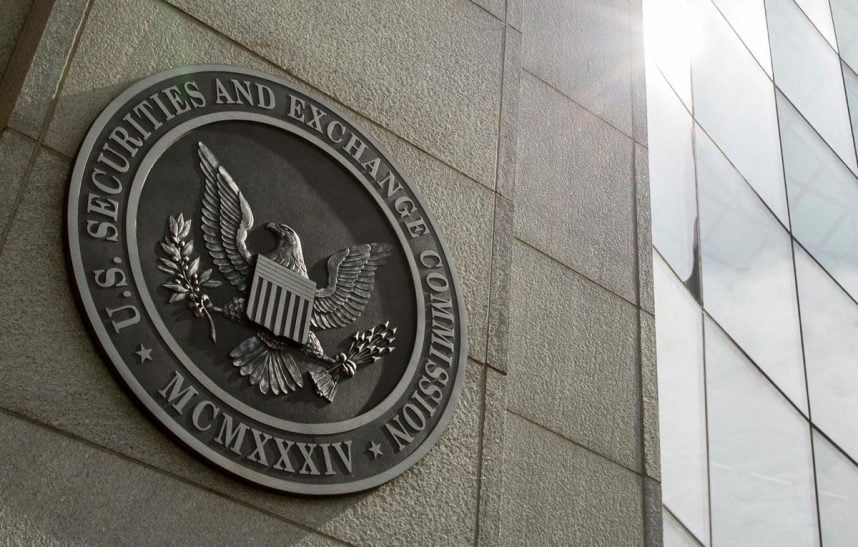
Last month, the commission suspended the approval processes for over twenty such ETFs from three different issuers. This indicates a need for further analysis of these unique funds, which would represent a groundbreaking development. Now, the regulatory body is allocating 60 days for participants from various sectors to share their insights on these innovative ETF frameworks.
The inquiry aims to encourage innovation within the ETF sector while ensuring investor protection, sustaining fair, orderly, and efficient markets, and advancing capital formation,” the commission stated.
Bitwise Investments, GraniteShares, and Roundhill Investments are the entities attempting to introduce electoral event contract ETFs into the market.
Overview of Political Event Contract ETFs
In February, Roundhill kicked off the process by submitting applications for six political event contract ETFs, soon followed by filings from Bitwise and GraniteShares.
Despite varying branding, all proposed funds would enable market participants to invest in groups of derivatives linked to which of the two major U.S. political parties will dominate the House and Senate after the upcoming midterms and which party will secure the presidency in the 2028 election.
The concept behind these proposed ETFs is straightforward. For example, if the Roundhill Democratic Senate ETF (BLUS) launches successfully and the Democrats gain control of the Senate, investors holding that fund stand to gain, while those involved with the Roundhill Republican Senate ETF (REDS) would incur losses. The planned launches for Roundhill and GraniteShares were set for early May before the SEC intervened. The regulator is now exploring how such ETFs can align with regulatory standards that have overseen the ETF industry for over thirty years.
“The Commission’s call for comments seeks public input on how the U.S. ETF market can keep evolving and innovate while adequately serving investors, and I am eager to review feedback from market participants as we assess how to effectively respond to the latest market developments,” said SEC Chairman Paul Atkins in the statement.
Concerns Surrounding Prediction Market ETFs
Although the concept of prediction market ETFs hasn’t faced significant opposition, some experts express concern that it may lead to excessive trading, particularly in today’s round-the-clock news environment and highly polarized political climate.
More traditional approaches at the intersection of ETFs and prediction markets may also be on the horizon. Recently, Tema ETFs submitted proposals for the Tema Trading & Prediction Markets ETF, which, if approved, would contain shares of publicly traded companies involved in the yes/no exchange ecosystem rather than focusing solely on event contracts.
This fund is currently pending in the SEC approval process and is not classified as “novel” by the commission.