


On the evening of July 8, the Massachusetts House passed a significant bill aimed at legalizing historical horse racing (HHR) machines across the state’s remaining racetracks.
This initiative was part of a series of last-minute amendments introduced in a comprehensive $561 million economic development package that is now on its way to the Senate, where its future is uncertain.
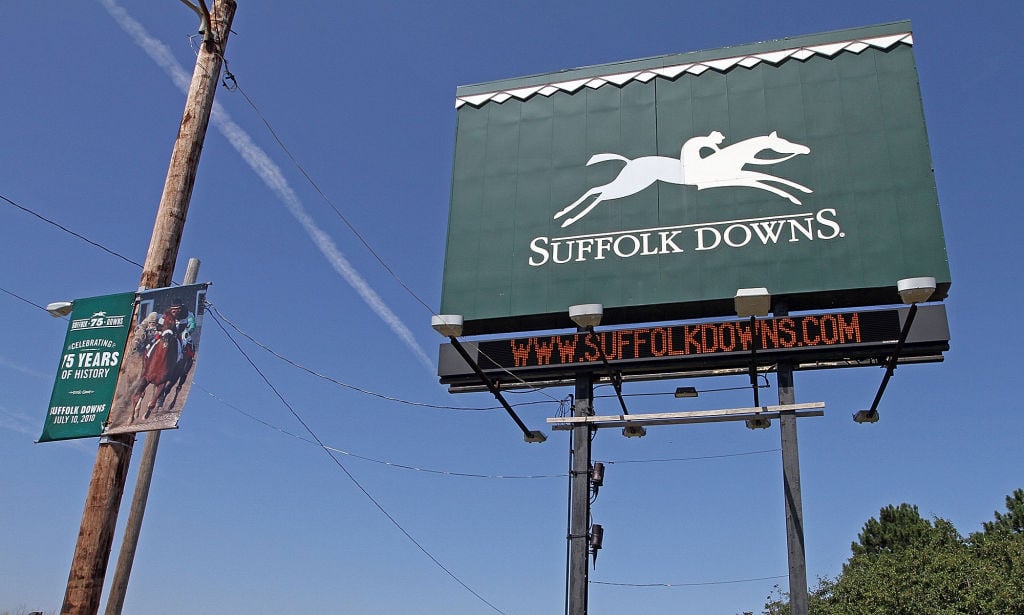
The legislation would permit HHR machines at qualifying racetrack locations, notably benefiting Suffolk Downs in East Boston, which is gradually transforming into a mixed-use area, and the former Raynham Park situated in southeastern Massachusetts.
Currently, neither of these venues features live horse racing; however, Suffolk Downs maintains its status as a gambling hub, offering simulcast betting options.
Understanding HHR Machines
HHR machines function like slot machines but utilize results from past horse races rather than a random number generator. The horses’ identities are anonymized, and bettors place bets into parimutuel pools instead of wagering against the casino; the spinning reels serve primarily as visual effects, indicating whether the bet is a win or a loss.
This design provides a “loophole,” enabling advocates to assert that HHR machines are an extension of horse racing rather than akin to casino gambling.
The proposal is supported by developer Richard Fields, who has devoted years to revitalizing Suffolk Downs. Fields has also arranged to acquire Raynham Park contingent upon the legislation’s passage.
A report authored by Spectrum Gaming Group for Fields estimates a need for around $225 million in total capital investment to establish HHR gaming facilities at both racetracks.
Reactions from Casinos
The commercial casino sector in Massachusetts has voiced strong opposition to the measure. The operators of Encore Boston Harbor, MGM Springfield, and Plainridge Park jointly urged House leaders to dismiss the amendment, claiming the terminals function similarly to slot machines, posing competition to casinos without adhering to identical regulatory standards.
The Mashpee Wampanoag, the state’s sole tribal gaming operator, also strongly opposes the initiative, characterizing it as an attempt to broaden gaming in Massachusetts without respect to the existing Tribal-State Compact and the Massachusetts Expanded Gaming Act.
“This matter extends beyond gaming. It pertains to Tribal sovereignty, mutual respect between governments, and the Commonwealth honoring its commitments,” declared the tribe in a statement sent to Casino.org.