


The Indian Gaming Association (IGA) has gathered in Washington, DC, where tribal leaders and stakeholders are engaging with lawmakers to advocate for a federal bill aimed at bolstering and safeguarding the inherent sovereign rights of tribes concerning gaming activities.
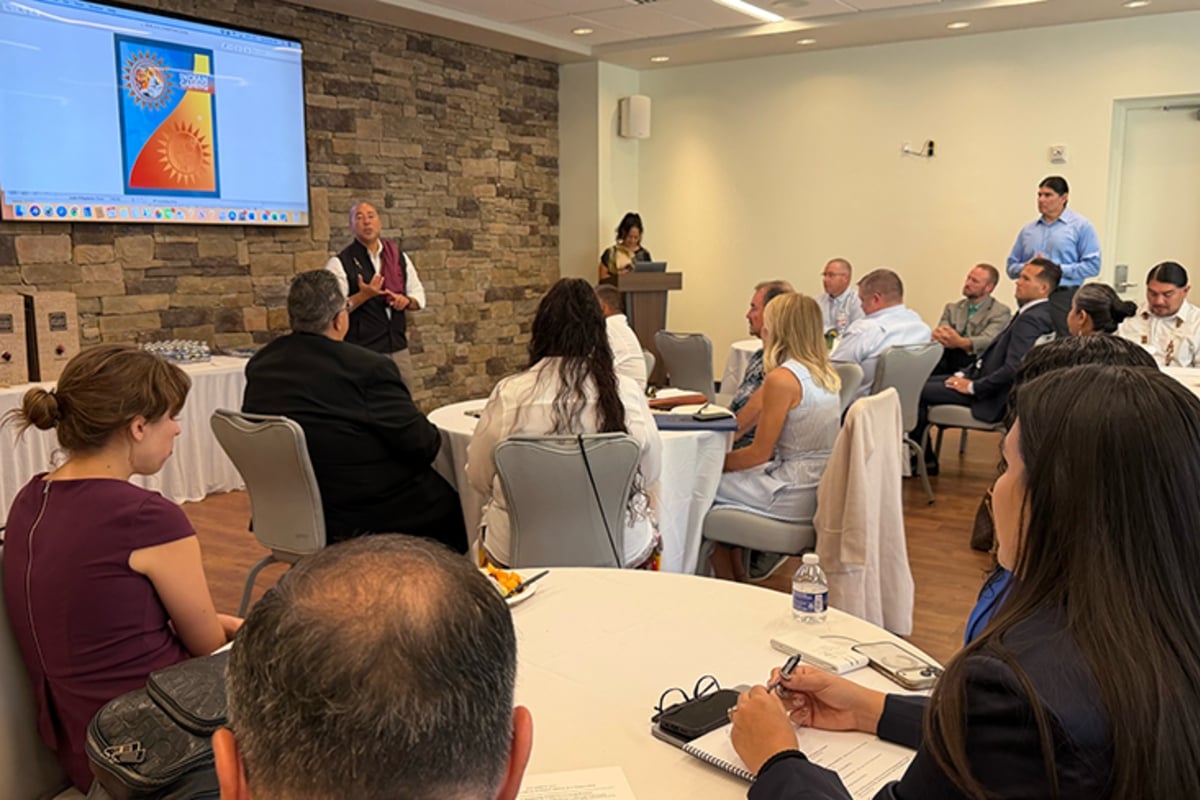
The IGA reports that it is in discussions with U.S. senators and their congressional teams, urging them to support the CLARITY Act. Previously known as the Digital Asset Market Clarity Act, or House Resolution 3633, this initiative led by Rep. J. French Hill (R-Ark.) aims to create a federal regulatory framework for emerging digital assets and commodities.
This regulation is proposed to be split between the Commodity Futures Trading Commission (CFTC) and the Securities and Exchange Commission (SEC). The IGA has backed amendments to the CLARITY Act that would prohibit federally regulated prediction markets from trading on sports and casino-based event contracts.
Indian Coalition Advocates
The IGA contends that the sovereign gaming rights granted to federally recognized tribes under the Indian Gaming Regulatory Act (IGRA) are being compromised by prediction markets. Detractors of platforms like Polymarket argue that these entities, regulated as swaps and event-based derivatives, are participating in illegal gambling activities.
“Our mission is to continuously demonstrate to Congress that prediction markets extend beyond mere financial products. They represent gambling that poses a direct threat to tribal governments and the future viability of Indian gaming. We will persist in delivering this message until congressional action is taken.”

Our mission is to continuously demonstrate to Congress that prediction markets extend beyond mere financial products. They represent gambling that poses a direct threat to tribal governments and the future viability of Indian gaming. We will persist in delivering this message until congressional action is taken.”
IGA Chairman David Bean
The IGA is prioritizing meetings with Senate leaders and their aides, particularly since the CLARITY Act passed the U.S. House of Representatives nearly a year ago with a 294-134 vote. The Senate is currently evaluating the bill.
The unexpected passing of Sen. Lindsey Graham (R-SC), a strong advocate for the CLARITY Act, has intensified pressure on the Senate to take action.
“In tribute to Senator Lindsey Graham, a major supporter, the U.S. Senate should move forward with the CLARITY Act. Nations like China are eager to assert dominance over this significant financial phenomenon, alongside AI advancements, where we currently hold the lead but face stiff competition. Don’t let China triumph in either domain!” Trump stated on Truth Social.
Tribal Gaming Landscape
The IGRA permits federally recognized tribes to engage in Class I and II gaming on their sovereign territories. For Class III gaming, which encompasses Vegas-style slot machines and most banked table games, tribes are required to negotiate compacts with their respective states.
IGRA ensures gaming exclusivity for Native Americans on tribal lands. The IGA argues that online prediction markets involved in sports wagering infringe upon these rights.
“Indian Country stands united, as this represents one of the most significant threats to tribal government gaming in a generation,” Bean emphasized. “By falsely classifying sports bets as ‘swaps,’ these prediction markets undermine our tribal sovereignty, violate the government-to-government agreements established with their states, and jeopardize the revenues that our tribal nations rely on to provide healthcare, education, housing, public safety, language preservation, and essential government services.”