


Future medical professionals, including doctors, nurses, and other healthcare students, are increasingly exploring avenues such as adult content creation, prediction markets, and sports betting to tackle their rising tuition costs.
Clasp, a hiring platform focused on the healthcare industry, recently released its inaugural State of Healthcare Student Finances report. The study investigates “alternative income sources” that healthcare students are utilizing to mitigate educational expenses, revealing some interesting findings such as content creation on platforms like OnlyFans and engaging in prediction markets and sports betting to fund their studies.
“The survey shows that over one-quarter (27%) have used a betting or prediction market service,” according to Clasp. “Out of those, two-thirds (67%) regard their winnings as actual or potential funds for school: 24% view winnings as part of their financial plan for education, while another 43% believe it could offer significant assistance.”
Conducted by Pollfish, the poll surveyed 1,000 healthcare students across the U.S. but did not specify the institutions they are attending.
Concerning Patterns Observed
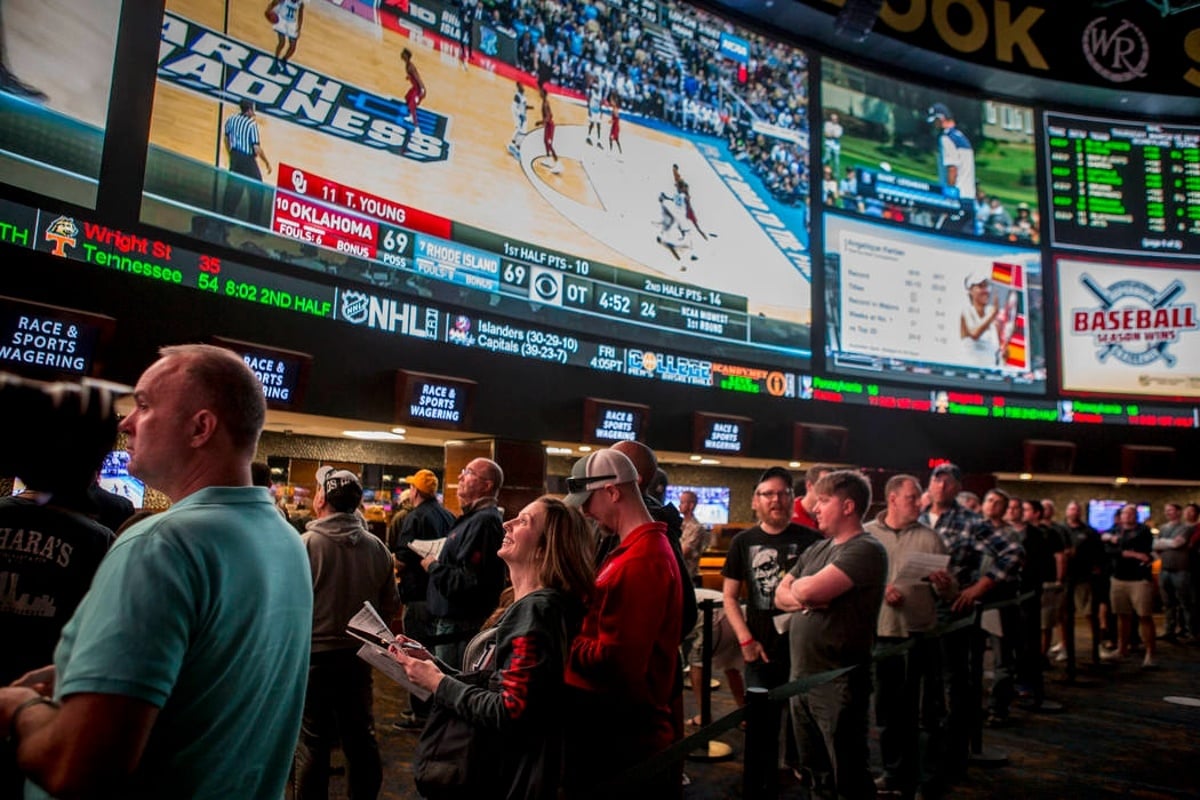
According to Clasp, 27% of the healthcare students surveyed reported using an online sportsbook or participating in yes/no trading exchanges, with half of them claiming to have placed bets on DraftKings. Meanwhile, 42% indicated they have wagered with FanDuel, and nearly one-third (31%) reported trading event contracts on Polymarket.
Engagement with prediction markets and sportsbooks is notably higher among healthcare students compared to the general age group of 18 to 22. Clasp highlights that 73% of healthcare students engage with sportsbooks or yes/no trading multiple times a week, and 15% partake in these activities daily. For the general group, these figures stand at 14% and 4%, respectively. Moreover, many healthcare students face challenges in generating profits from prediction markets or sports betting.
“When asked if these platforms have resulted in profits or losses, only 40% of student bettors claim to be ahead financially; half say they more or less break even,” Clasp points out. “The typical win or loss ranges from $100 to $1,000, with 1 in 10 individuals reporting figures exceeding $5,000. Notably, two respondents claimed gains or losses above $50,000.”
This aligns with numerous studies indicating that most retail participants in prediction markets struggle to yield profits.
Female Healthcare Students Engaging in Betting and Content Sales
As legalized sports betting expands across the U.S., operators have attempted to attract a female audience. Interestingly, women pursuing careers in healthcare seem to have embraced this trend. According to Clasp’s survey, 81% of respondents were female, and 20% reported having bet on sports or traded on prediction markets—double the national average for female sports bettors.
Additionally, healthcare students are turning to diverse non-traditional income streams, with 21% involved in “paid content creation on platforms like TikTok, YouTube, OnlyFans, or Substack,” as noted by Clasp.
Furthermore, six percent have ventured into selling feet pictures or similar content online, while 10% have considered donating their eggs or sperm.