


Do casinos intentionally eliminate sunlight and clocks to confuse players about time? This notion is frequently echoed across guidebooks, documentaries, and social media platforms. It harkens back to the era from the 1950s to the 1980s when casinos along the Strip were deliberately crafted to have dark interiors devoid of windows and timepieces.
However, the misconception lies in the real reason behind this design choice.
One individual who can clarify this better than anyone else is Bill Friedman, the author of two notable books: Casino Management (1974) and Designing Casinos to Dominate the Competition (2000).
From 1977 to 1990, Friedman managed both the Castaways Hotel and Casino and the Silver Slipper Casino, successfully transforming them from losing ventures to highly profitable establishments. His insights were highly influential at the time.
In a tweet from August 2021, Friedman called the concept of banning clocks and sunlight as a tactic to manipulate players a “myth,” clarifying that it was actually serious gamblers who insisted on removing them due to threats of not returning.
Friedman explained to The Hustle in 2024 that gamblers prefer an environment void of time constraints. “They are in a fantasy and escape world,” he stated.
Innovative Strategies by Wynn
In his writings, Friedman advocated for designing casinos as mazes that prompt visitors to be curious about what lies ahead while offering them secluded spaces to indulge in gaming.
This “maze” concept was revolutionized by Steve Wynn and his design executive VP, Roger Thomas, who initiated their creative partnership at the Golden Nugget in 1980. Their approach, termed the “playground” model, aimed to create gaming areas reminiscent of opulent mansions adorned with fine art and luxurious furnishings.
The underlying philosophy is that players make larger bets when they feel secure and valued, not when they feel lost and disoriented. Casinos that abandoned Friedman’s traditional blueprint became some of the most lucrative in the industry.
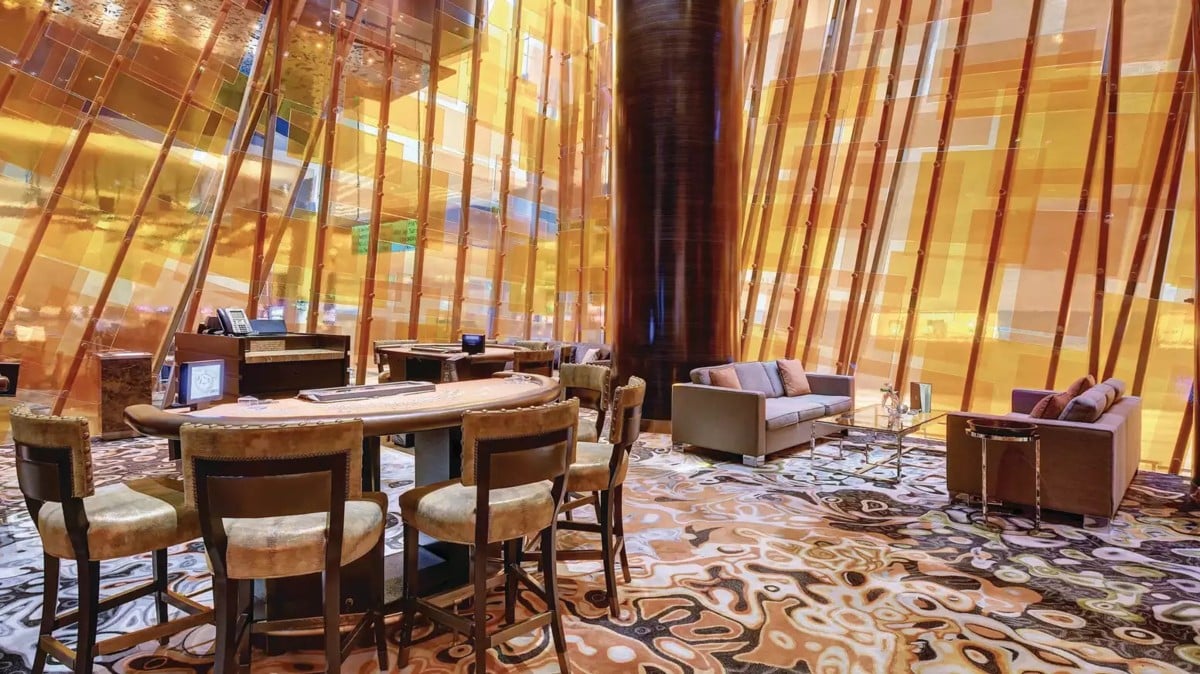
With the playground model—showcased by The Mirage, Bellagio, and Wynn—natural light was incorporated into lounges, sportsbooks, and even near slot machines. Most contemporary casinos now replicate this model, and with most individuals carrying their own timepieces, the exclusion of clocks has become obsolete.
Setting the Record Straight
Today, critics often attribute the decline of community-driven games like craps and roulette to the rise of video-slot machines.
In her book, Addiction by Design: Machine Gambling in Las Vegas (2012), cultural anthropologist Natasha Dow Schüll from New York University argued that video slots are crafted to deliver a “solitary, entrancing experience”—one that can obliterate a player’s perception of time, space, monetary worth, social identity, and sometimes, their very sense of existence.
In essence, casinos employ far more effective methods to influence gamblers than merely misleading them about the passage of time.
Look for “Vegas Myths Busted” every Monday on Casino.org. Click here to explore previously debunked Vegas myths. Have a Vegas myth you want to see examined? Email [email protected].