


Almost three decades after the tragic murder of iconic hip-hop artist Tupac Shakur in Las Vegas, jury selection for the trial of the man alleged to have orchestrated the crime commenced on Monday, August 10.
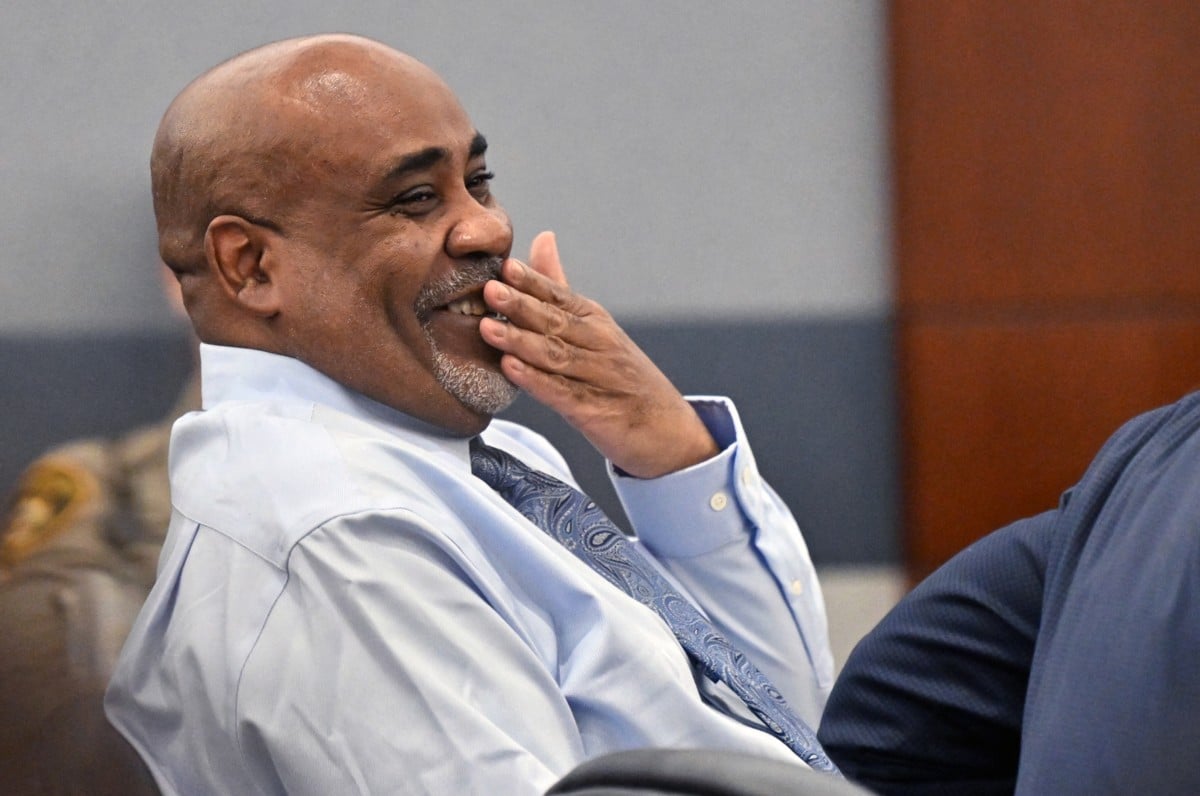
The accused, Duane “Keffe D” Davis, aged 63, has entered a not guilty plea to charges of murder involving a deadly weapon, along with accusations that the act was intended to benefit the South Side Compton Crips, a California gang he previously led.
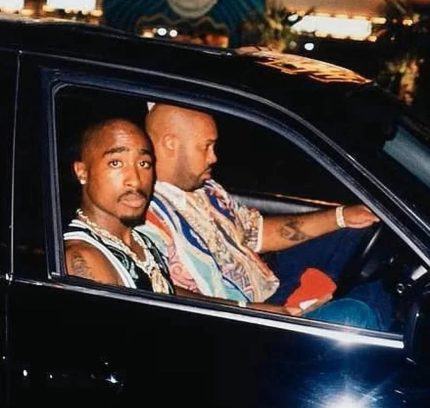
Tupac Shakur, only 25 years old at the time, was shot near the Las Vegas Strip on September 7, 1996, while being driven in a black BMW by Marion “Suge” Knight, co-founder of Death Row Records. Six days later, Shakur succumbed to his injuries while Knight survived the attack.
Court Proceedings Overview
Judges at the Clark County District Court’s Regional Justice Center began the meticulous process of selecting 16 jurors from an initial pool of 75 for the trial, anticipated to span roughly a month.
Judge Carli Kierny inquired about medical concerns, scheduling conflicts, and the jurors’ familiarity with key figures related to the case, including Knight and Sean “Diddy” Combs.
The prosecution also explored jurors’ entertainment preferences, gang affiliations, and whether they were fans of Shakur’s music. Throughout the proceedings, Davis sat quietly next to his attorney, Michael Sanft, occasionally whispering comments as responses were provided.
Seven candidates are set to return later this week as questioning persists through Wednesday. Among the attendees were family members of Shakur.
Understanding the Charges
The prosecution contends that while Davis did not fire the weapon, he was instrumental in supplying the gun and coordinating the attack from a white Cadillac that pulled up alongside Knight’s vehicle at a red light. In Nevada, orchestrating a homicide can incur the same penalties as being the shooter.
The case languished for several years until Davis openly discussed the shooting, notably in a 2019 memoir titled Compton Street Legends, where he detailed acquiring a firearm and positioning it in the Cadillac before the incident. In 2023, he was arrested after renewed investigative interest emerged.
Davis later claimed the memoir was a fictional narrative he created out of financial need.
Anticipated High-Profile Testimonies
The prosecution is estimating 35 to 45 witnesses will be called to testify, including former Las Vegas Mayor Oscar Goodman, Shakur’s associates, and individuals involved in the gang rivalries intersecting with the music scene.
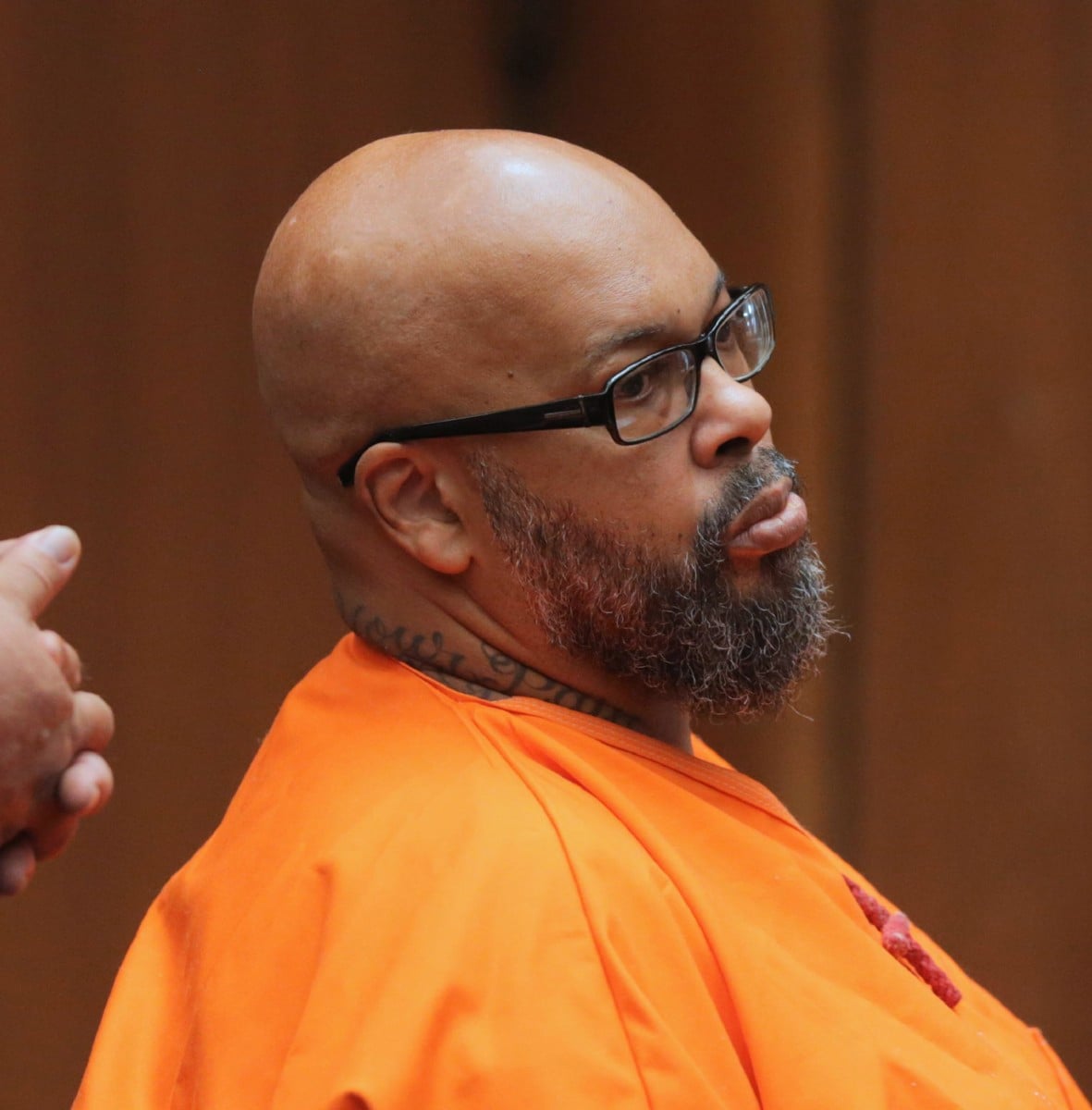
One of the most unexpected witnesses slated for the prosecution is Marion “Suge” Knight, who previously claimed he would not testify. In a 2023 interview with TMZ, he stated, “1000% I wouldn’t go.” Currently serving a 28-year prison sentence in California for a fatal hit-and-run from 2015, Knight may provide crucial insights as the sole surviving eyewitness from that infamous night.
Denvonta Lee, a former associate of the South Side Compton Crips, is also expected to be called by the prosecution. During earlier grand jury testimonies, Lee described how the longstanding feud between the Compton Crips and the Mob Piru subset of the Bloods set the stage for Shakur’s murder. These rival gangs were linked to competing music empires — Knight’s Death Row on the West Coast and Sean “P. Diddy” Combs’ Bad Boy Records on the East Coast. (Combs, currently serving a 50-month federal prison sentence for charges related to transporting individuals across state lines for prostitution, was not included on the prosecution’s witness list.)
Although Lee wasn’t present at the scene during Shakur’s assassination, he conveyed to jurors that Davis orchestrated the attack, initially handing the murder weapon to his nephew, Orlando “Baby Lane” Anderson, who couldn’t secure a clear shot from the back seat. According to Lee, Anderson then passed the gun to Deandrae “Freaky” Smith, who opened fire.
Whether this trial will finally clarify the unanswered questions surrounding Shakur’s murder — or the March 1997 killing of Christopher “Notorious B.I.G.” Wallace, thought to be retaliatory to Shakur’s death — remains uncertain.