


Prediction markets are currently at the center of over two dozen legal actions questioning if these online trading platforms constitute unregulated forms of sports betting, with several lawsuits initiated in New York. In response, the New York City Council has begun an investigation into the advertising strategies employed by prediction markets across the five boroughs.
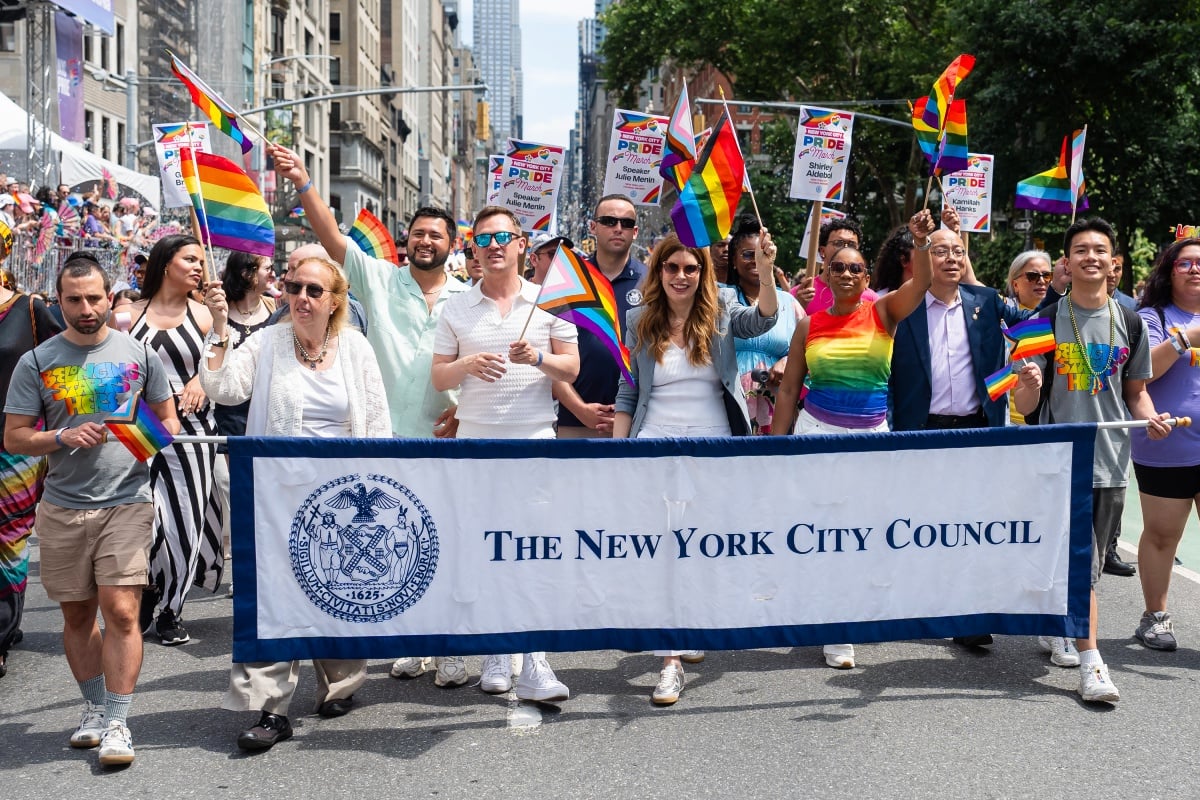
The investigation launched by the NYC Council is aimed at examining claims of misleading marketing practices, with the objective of assessing whether enhanced consumer protection regulations, enforcement actions, health safeguards, and corresponding funding are necessary to better protect the public from the influences of prediction markets.
“As a mother of four, I understand the deep concerns surrounding raising children in an environment where exploitative industries are continuously finding new ways to target them. Prediction markets aggressively lure consumers into wagering on sports, politics, culture, weather, and virtually everything in between. We are committed to ensuring that New Yorkers, particularly young individuals, do not become victims of such practices,” stated NYC Council Speaker Julie Menin.
“As an experienced regulatory attorney and previous Commissioner of Consumer Affairs, I view consumer protection as a top priority. I will leverage the full authority of the Council to safeguard New Yorkers from deceptive and manipulative marketing tactics employed by prediction market platforms,” Menin emphasized.
New York’s Regulatory Response
Back in April, New York State Attorney General Letitia James initiated complaints against multiple prediction markets, alleging they provide unlicensed gambling services.
“Gambling is gambling, no matter how you label it,” said James.
James’ lawsuits came on the heels of prediction markets taking legal action against the state after the New York State Gaming Commission issued cease-and-desist orders regarding certain sports-related contracts. The disputes involving prediction markets and James’ lawsuits have subsequently advanced to federal court.
Prediction markets fall under federal oversight from the Commodity Futures Trading Commission (CFTC). During the latter part of the Trump administration, the CFTC adopted a position of what it termed “lawful innovation” concerning derivative markets. In February, CFTC Chair Michael Selig expressed that the independent agency will not “remain passive as overzealous state authorities undermine the agency’s sole jurisdiction over these markets.”
In a recent op-ed featured in The Economist, Selig mentioned that the CFTC and the United States are pioneering “a new era” in the global derivatives landscape.
“While the U.S. is fostering responsible innovation, many of our overseas counterparts are heading in the opposite direction. Recently, nine European financial regulators contended that the event contracts traded on prediction markets should be classified as gambling instead of financial instruments. This perspective misinterprets the structure of these contracts and fails to recognize that they are traded in marketplaces, rather than bets placed with a ‘house,’” Selig noted.
“It further overlooks the important role these markets play in collating information, enhancing forecasting abilities, and improving price discovery. Prediction markets consistently surpass traditional polling and expert insights—they alone accurately predicted Mr. Trump’s electoral victory over Kamala Harris in 2024,” Selig added.
The NYC Prediction Markets Hub
New York City serves as a vital center for the prediction market sector, home to numerous platforms based in Manhattan.
Recognized as the financial hub of the world, New York houses both the New York Stock Exchange and Nasdaq, the largest stock exchanges globally by market capitalization. It is also the location of the Federal Reserve Bank of New York, which possesses the largest known monetary-gold reserve, totaling nearly 7,000 tons of gold.