


A Nevada man who was mistakenly apprehended after being misidentified by facial recognition technology at Reno’s Peppermill Casino Resort is actively seeking the identities of 168 other individuals who were supposedly flagged by the system.
Jason Killinger has made a request to a federal judge to compel the City of Reno to reveal unredacted arrest reports and declarations of probable cause related to individuals identified by Peppermill’s facial recognition software.
This request is part of Killinger’s legal action against Reno and police officer Richard Jager regarding his wrongful arrest in September 2023.
Challenging Experience
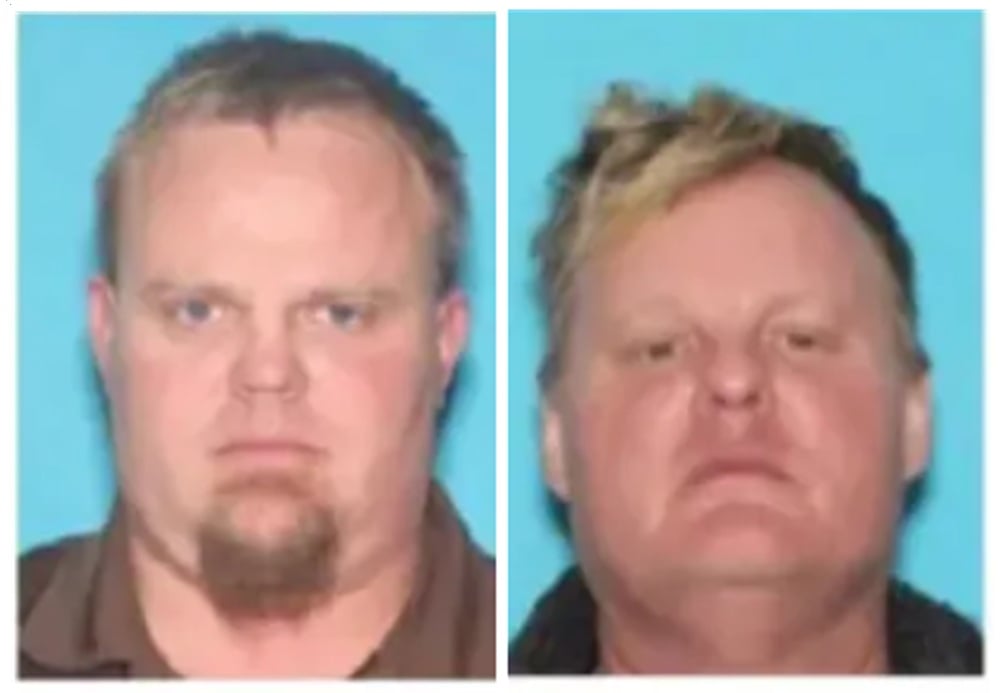
Truck driver Killinger was identified as a “100% match” to an individual named Michael Ellis who had been banned from the venue earlier for loitering.
Despite Killinger’s protests that he had been misidentified, Jager refused to acknowledge his true identity and accused him of using fake identification even though Killinger provided a valid Nevada Real ID, Peppermill player’s card, and debit card under his name.
Jager chose to rely on facial recognition software instead of tangible evidence, such as Killinger being four inches taller than his lookalike and having blue eyes, not hazel.
Killinger was detained for almost nine hours and endured more than three hours in handcuffs, resulting in bruises and shoulder discomfort, according to the lawsuit.
The lawsuit contends that even after a fingerprint check at the Washoe County jail confirmed Killinger’s identity, Jager filed a report alleging that Killinger had presented conflicting identification to Peppermill security.
After reaching a settlement with Peppermill outside of court, Killinger sued Jager and subsequently included the City of Reno, alleging that the city failed to adequately train officers on facial recognition and persisted in pursuing criminal charges against him despite confirming his true identity.
Seeking a Pattern
In April, Killinger’s legal team requested arrest records of the 168 individuals mentioned or taken to the Reno Police Department following facial recognition matches at Peppermill.
Reno provided over 1,000 pages of records but removed names and personal details from the documents.
Killinger’s lawyers argue that the city had no authority to redact this information without first obtaining a protective order from the court.
Defendants erased the identities of the arrestees from the responsive documents without obtaining a protective order,” Killinger’s motion states, arguing that these identities are crucial as these individuals could act as witnesses to a potential pattern of arrests based on facial recognition technology.
The plaintiff argues that these 168 individuals are vital witnesses whose experiences can help establish if Reno had a broader practice involving arrests based on facial recognition.
Additionally, their identities are relevant as Killinger is seeking injunctive relief and has expressed interest in pursuing class-action lawsuits.
Reno’s Response
In a response filed on August 14, Deputy City Attorney Alice Herbolsheimer stated that the city had already compromised by producing the reports despite disputing their relevance.
Peppermill only provided arrest dates, times, and initials of the individuals while withholding names due to privacy concerns, Herbolsheimer mentioned.
Moreover, only 16 of the 168 arrests occurred prior to Killinger’s incident, indicating that subsequent claims cannot prove that Reno was aware of a facial recognition issue during his arrest, Herbolsheimer elaborated.
The judge has not yet ruled on Killinger’s request.