


Published on: April 13, 2026, 01:50h.
Updated on: April 14, 2026, 05:11h.

- The potential acquisition of Caesars Entertainment involves numerous complexities.
- Key considerations include the impact on VICI Properties, which owns the real estate of Caesars.
- Industry analysts indicate that the future of Caesars is a crucial short-term issue for the market.
The gaming community is well aware that Caesars Entertainment (NASDAQ: CZR) is a target for takeover, but the silence surrounding it for over a month has left many investors curious about the status.
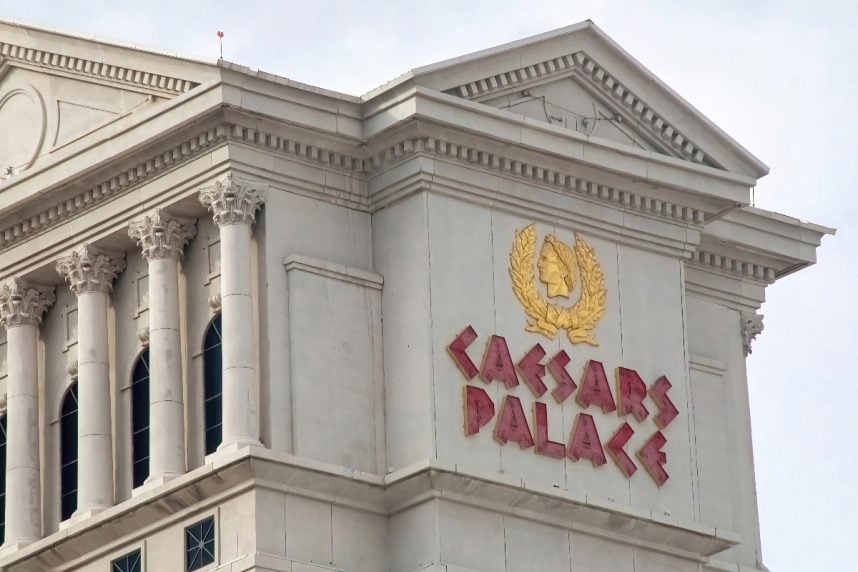
According to a recent analysis from Jefferies analyst David Katz, there has been a notable increase in inquiries from clients looking to discuss the situation surrounding the Caesars acquisition.
After reports in March indicated that activist investor Carl Icahn proposed $33 a share for the casino giant, this was soon surpassed by a $34 per share offer from Tilman Fertitta. However, recent developments suggest that any agreement regarding Caesars will encounter various challenges.
“Investors are increasingly interested in capital structure, regulatory issues, VICI’s position, and the potential sector-wide implications,” notes Katz. “While we lack a definitive outlook on the probability of a deal, we do believe the impact on the sector’s valuation, especially regarding operating and property companies, as well as digital assets, will be multifaceted.”
One factor contributing to the recent silence about the Caesars takeover is the understanding that the gaming firm has entered a 45-day exclusive negotiation period with Fertitta, which appears to be nearing its conclusion.
The Caesars/VICI Dynamics: A Complex Scenario
How VICI Properties (NYSE: VICI), the landlord of Caesars Palace, plays a role in the gaming company’s acquisition is a critical matter.
VICI acts as the primary landlord for Caesars, and both parties are currently navigating complications that extend beyond takeover rumors.
Essentially, Caesars is currently facing challenges in meeting its rent obligations for regional casinos owned by VICI, which has negatively impacted the REIT’s stock performance.
Discussions are ongoing between the two entities aimed at resolving the situation, and there’s unverified speculation that VICI might have to contemplate reducing the rent amount. However, this would necessitate Caesars conceding something in return, though the specifics remain uncertain at this point.
A potential buyer of Caesars may wish to address the VICI situation as part of the acquisition process or may consider divesting some regional properties to minimize long-term financial commitments, but all these possibilities remain speculative for now.
Additional Complexities Surrounding the Caesars Acquisition
Uncovering barriers to a Caesars acquisition is relatively straightforward, especially if Fertitta emerges as the buyer.
Consideration must also be given to his investment in Wynn Resorts (NASDAQ: WYNN), where he holds about 12% of the shares. Though not confirmed, it is believed he may need to liquidate this stake to facilitate funding for the Caesars acquisition.
Furthermore, regulatory challenges could arise due to overlapping markets, as Fertitta’s Golden Nugget overlaps with Caesars’ operations in regions like Atlantic City, NJ, Lake Tahoe, and Laughlin, Nevada, among others.
Some state regulators might mandate divestitures for approval of the deal. The resolution of these issues remains pending, but the gravitas of another Caesars takeover is indisputable.
“Ultimately, we see the outcome of this situation as potentially one of the most pivotal factors for the sector in the short term,” concludes Katz.