


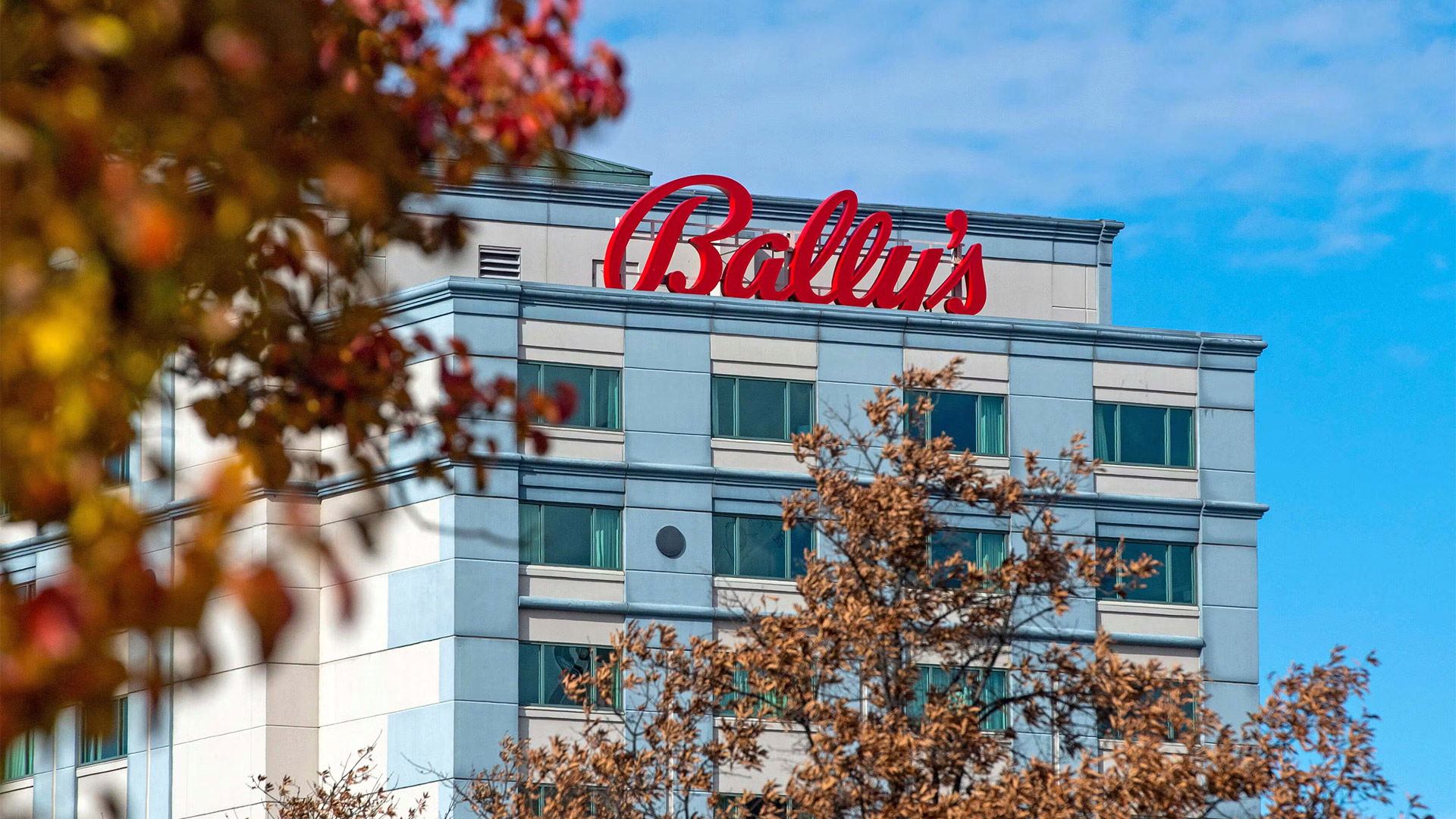
Bally’s has engaged RKF Global PLLC, an agency that includes former Chicago Mayor Lori Lightfoot as a partner, in light of the city’s decision to authorize video gambling terminals. Bally’s claims this change could potentially violate its host agreement with Chicago casinos.
This conflict emerged after the City Council approved Chicago’s ambitious $16.6 billion budget for 2026, which eliminated a longstanding prohibition on video gambling while forecasting $6.8 million in licensing revenue from these terminals throughout the city. Developing a permanent casino in River West, Bally’s has voiced strong opposition to this legislative shift.
“We are proud to have assembled a highly qualified team in Chicago. As we intensify our efforts to safeguard our investments, we are also utilizing the strategic advice of RKF Global PLLC, where former Mayor Lightfoot is a partner,” stated Bally’s.
Lightfoot has refrained from commenting on her role in Bally’s potential legal pursuits, as initially reported by Crain’s Chicago Business.
This situation has raised eyebrows due to Lightfoot’s negotiation of the casino agreement during her tenure as mayor. David Greising, president and CEO of the Better Government Association, described her involvement as “a clear conflict of interest,” according to the Chicago Sun-Times.
Greising pointed out that the city’s ethics regulations seemingly prevent a former mayor from aiding clients regarding contracts they significantly managed during their time in office.
Steven Berlin, executive director of the Chicago Board of Ethics, indicated he couldn’t comment specifically on Bally’s actions. He noted, however, that the city’s ethical code forbids former mayors for one year post-office from “assisting or representing a new client in matters they were personally and substantially involved in…”
Three years ago, Lightfoot facilitated City Council approval for Bally’s after the company committed to allocate $40 million upfront to bolster police and fire pension plans and avert a pre-election property tax hike.
The selection faced criticism from Aldermen Brian Hopkins and Brendan Reilly, who contended that Bally’s lacked experience in constructing a casino from the ground up, and that the proposed $1.7 billion River West casino and entertainment venue would intensify congestion in an already busy area.
Hopkins and Reilly also accused Lightfoot of circumventing the City Council committee she established to evaluate the casino project. Reilly separately protested the late decision to designate the historic Medinah Temple as Bally’s temporary casino location, expressing concerns about exacerbated traffic challenges and increased crime rates in River North.
Ald. Anthony Beale, a prominent advocate for video gambling terminals in the City Council, criticized Bally’s decision to hire Lightfoot’s firm. “That is a quid pro quo aimed at compensating someone who awarded them a contract that they should never have received,” Beale asserted.
Bally’s has cautioned that the legalization of video gambling could lead to a loss of $74 million in annual revenue for Chicago and jeopardize around 1,050 jobs at its temporary and permanent casinos. The firm also indicated that this legislative change might compel Mayor Brandon Johnson’s administration to renegotiate “critical elements” of their host agreement, potentially eliminating a $4 million annual payment from Bally’s and reducing casino revenues earmarked for police and fire pension funds.