


Published on: May 13, 2026, 06:47h.
Updated on: May 13, 2026, 06:47h.

- Texas Lottery scandal escalates as former director faces brief indictment
- Group expended $25 million in printing lottery tickets throughout Texas in just 72 hours
- Investigations initiated by Texas officials yet to yield public results
The former head of the now-disbanded Texas Lottery Commission, who has been criticized for allowing a European gambling syndicate to win a contentious $95 million Lotto jackpot, was momentarily indicted for misuse of public office, as reported by The Houston Chronicle.
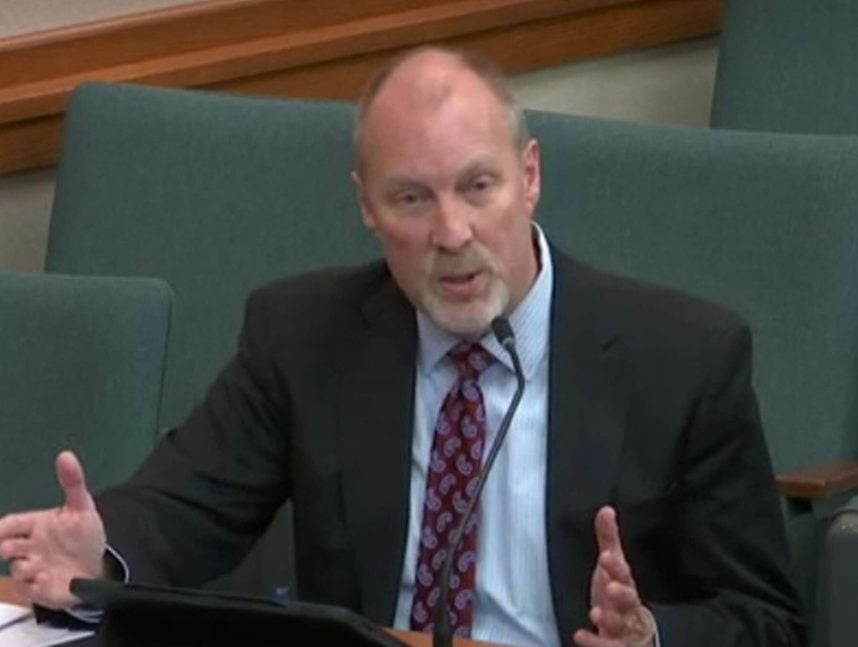
On April 16, a grand jury indicted Grief, but the charges were quickly dismissed the next day by the Travis County District Attorney’s Office, citing “prosecutorial discretion” without providing additional details, according to court documents accessed by the Chronicle.
Having led the lottery commission for 15 years, Grief announced his retirement in early 2024, just prior to revelations that the April 22, 2023 Texas Lottery drawing had become nearly impossible for average players to win.
Unfolding of the Scheme
A syndicate, funded by the elusive professional gambler Zeljko Ranogajec, orchestrated an operation that spent over $25 million on tickets costing a dollar each, covering approximately 99% of combinations for the drawing. This strategy significantly enhanced their odds of winning the jackpot and also allowed them to claim most secondary prizes.
By the time the jackpot reached $95 million after 93 consecutive rollovers, the draw was viewed as mathematically exploitable for anyone with the funds to invest in nearly every possible number combination.
This scandal ignited a political uproar in Texas, resulting in the dismantling of the Texas Lottery Commission. Lt. Gov. Dan Patrick described it as “the greatest theft from the citizens of Texas in the state’s history.”
Grief faced allegations of facilitating such circumstances. Critics argue that he bypassed legislative procedures to modify regulations that enabled ticket purchases via mobile devices while catering to lottery couriers—businesses that facilitate bulk ticket purchases online.
Impressive Logistics
Within a span of approximately 72 hours, the syndicate organized several licensed lottery courier services across Texas, deploying numerous terminals and utilizing pre-generated QR codes on smartphones and tablets to print tickets at speeds approaching 100 per second.
Teams operated continuously in makeshift printing locations, including a fishing supply store and a former dental office, tracking and packaging millions of tickets as they emerged from printers.
By the end of the final day, they had generated over $25 million in entries while racing against the drawing deadline and managing logistics, staffing, hardware, and extensive data tracking.
Interview with the ‘Loch Ness Monster’
Ranogajec, often referred to as “The Loch Ness Monster” due to his rare public appearances, is known as one of the world’s most prosperous gamblers and is estimated to be worth billions. He co-owns Colossus Bets, an online pool betting company based in London.
In a rare interview with the Sydney Morning Herald in March, Ranogajec acknowledged financing the operation while asserting that the syndicate’s actions were entirely lawful.
Following the controversial Lotto drawing, Gov. Greg Abbott and Attorney General Ken Paxton initiated formal inquiries into the situation. However, neither office has disclosed any findings or provided updates on the status of their investigations.
Nonetheless, Grief’s indictment on serious felony charges—and their rapid and unexplained dismissal—adds an intriguing twist to this ongoing saga, according to the Chronicle.