


Published on: April 14, 2026, at 01:37h.
Updated on: April 14, 2026, at 01:37h.

- Fairfax County officials express gratitude to Gov. Spanberger for vetoing the casino proposal in Tysons.
- Fairfax County had not requested a casino, contrary to other Virginia locations.
The local leadership in Fairfax County, Virginia, has formally thanked Gov. Abigail Spanberger (D) for her decision to veto a contentious bill that would have permitted a casino resort in Tysons.
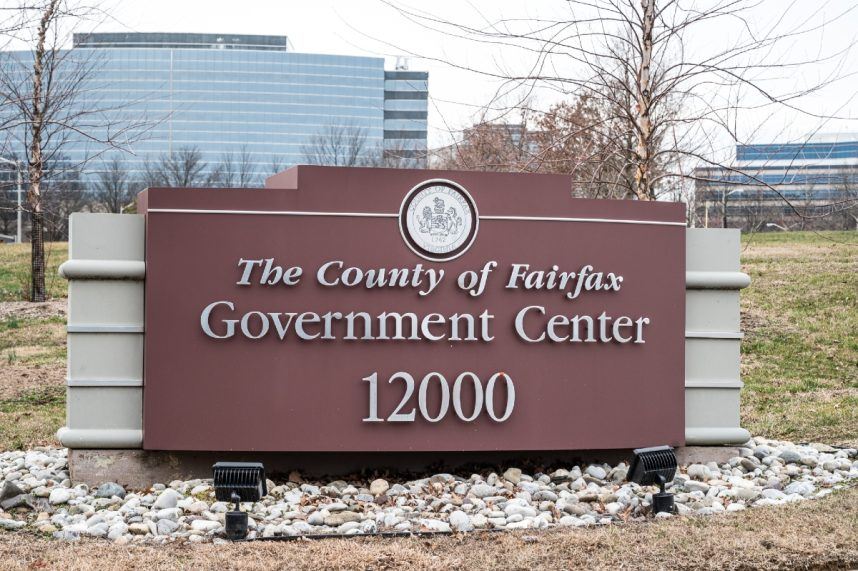
At its first gathering following Spanberger’s veto of Senate Bill 756, the Fairfax County Board of Supervisors took a moment to acknowledge the governor’s decision.
“I want to extend my sincere thanks to her for rejecting a poorly conceived bill that was never requested,” said Jeff McKay, Chair of the Fairfax County Board.
McKay noted that discussions surrounding the casino have impeded vital economic development projects in Fairfax County, casting uncertainty over the potential establishment of a gaming resort in Tysons.
SB756 pinpointed a site along Leesburg Pike near the Spring Hill Metro Station as the sole location for proposed slot machines, table games, and sports betting in the county.
Supervisor Jimmy Bierman characterized Senate Majority Leader Scott Surovell’s (D-Fairfax) push for the casino as “nonsense” and a “distraction,” suggesting potential corruption due to his collaboration with Comstock Companies regarding the property’s casino proposal.
Governor Advocates for a Gaming Commission
Virginia law allows casinos in the cities of Bristol, Danville, Norfolk, Petersburg, and Portsmouth. However, unlike these areas, Fairfax County did not request to be included in the casino framework.
Instead, Surovell allegedly conspired with Comstock for a Tysons casino, an area that, along with McLean, hosts numerous Fortune 500 firms and one of the largest shopping centers in the U.S., Tysons Corner Center. Supporters of the casino argued that Fairfax requires new tax revenue sources to maintain its high standard of living without imposing further property tax increases.
Spanberger took issue with the actions of Surovell and state lawmakers who circumvented the Fairfax County government amidst widespread public opposition during the review of SB756.
“Local governing bodies should play a key role in proposed casino developments, as seen in every locality with an established casino,” the governor elaborated regarding her veto decision.
Spanberger has consistently stated her opposition to adding more gaming options in Virginia unless a state authority is created specifically for regulating casinos and sports betting, as current regulations fall under the Virginia Lottery Board.
Fairfax County Faces Revenue Challenges
Currently, a casino isn’t the answer to Fairfax County’s budget issues, but the financial challenges remain pressing.
In March, the Fairfax County School Board proposed selling naming rights to its athletic facilities to address a $400 million backlog in deferred maintenance.
Additionally, starting January 1, 2026, the Fairfax County Board of Supervisors initiated a 4% surcharge on all food and beverages sold as meals. This tax applies to items sold by restaurants, caterers, and includes delivery and takeout services.