


Published on: June 16, 2026, 08:40h.
Updated on: June 16, 2026, 08:40h.

- Supreme Court refuses to review MGM National Harbor bias lawsuit
- Ex-manager accused discrimination over lighter skin tone
- Jury found color played no role in termination
The Supreme Court of the United States has opted not to review a long-standing discrimination lawsuit from a former manager of MGM National Harbor, who claimed her termination was due to her being a lighter-skinned Black individual.
In contrast to typical race discrimination lawsuits, this case revolved around colorism—discrimination related to skin tone among individuals of the same race. Federal courts recognize color discrimination as a separate claim under Title VII of the Civil Rights Act.
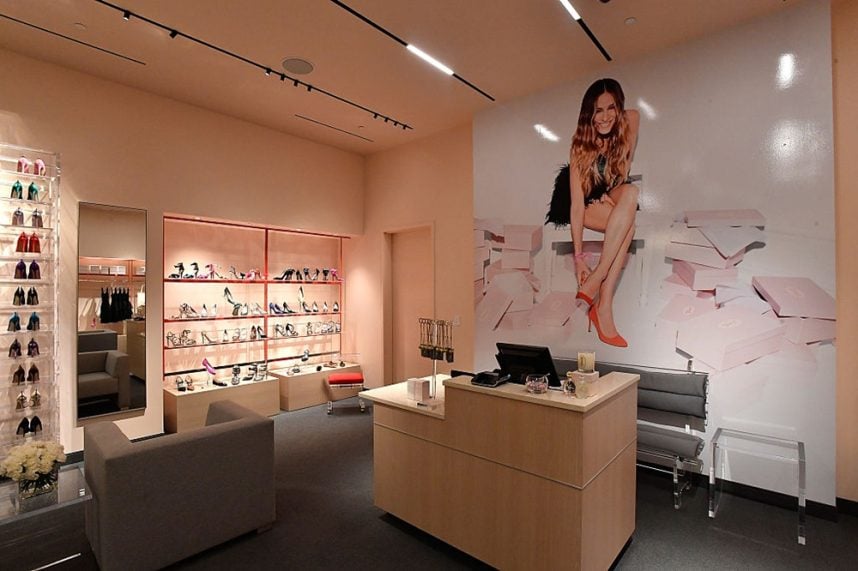
Felder, who acted as her own attorney during part of the legal proceedings, filed a lawsuit against MGM National Harbor following her dismissal from a retail management position at the SJP by Sarah Jessica Parker store within the Maryland casino resort in 2017.
Her initial complaint included allegations of race, color, and gender discrimination, as well as various state-law claims such as defamation, breach of contract, negligent supervision, and intentional emotional distress.
Disrespected and Diminished
According to Felder, she was recruited to become the assistant retail manager at MGM National Harbor and the store manager of the SJP boutique, accepting the role even after receiving offers elsewhere.
Initially, Felder helped boost morale, operational efficiency, and sales at the boutique, as stated in her complaint. However, tension escalated after MGM’s director of retail operations returned from a leave of absence, allegedly undermining her authority, altering displays, excluding her from decisions, and subjecting her to public humiliation.
During a significant event at the boutique in September 2017, Felder claimed the director dismantled her displays, disregarded her requests for clarification, and called security after referring to Felder as an “irate” employee.
Felder stated that security personnel, along with police officers and dogs, escorted her off the premises in the presence of staff and attendees, barring her from participating in the event she had helped organize.
This incident was reportedly filmed by the director and subsequently shared with SJP employees, according to the complaint.
The following day, the director informed Felder that she was being let go during a 90-day probationary period, which Felder alleged she had not been made aware of and declined to sign the termination paperwork.
Skin Color Discrimination?
Felder asserted that her lighter skin tone made her a target. Her complaint detailed that the director, identified as a darker-skinned Black woman, favored darker-skinned employees and treated lighter-skinned workers more harshly.
Felder also claimed she was referred to as “Queen,” a term she alleged had negative color-related connotations in context.
MGM refuted the claim of derogatory language and disputed Felder’s version of events leading to her termination.
A Maryland federal court initially dismissed her discrimination allegations, but in 2022, the Fourth Circuit reinstated her color-discrimination case, allowing it to proceed. By trial time, the focus had shifted to a singular claim of wrongful termination based on color discrimination.
The jury ultimately ruled in favor of MGM, concluding that Felder did not demonstrate that her skin color was a deciding factor in her termination. The Fourth Circuit confirmed this verdict in January.
Request for Review Denied
Felder subsequently requested that the Supreme Court intervene. Her petition emphasized not only Title VII color-discrimination law but also alleged judicial and attorney misconduct, arguing that systemic challenges faced by self-represented litigants hindered her ability to effectively present her claims.
On June 15, the justices declined her petition, issuing no explanation, as is customary in such cases.
The Supreme Court’s refusal to hear the case upholds MGM’s success in court.