


Published on: May 1, 2026, 01:22h.
Updated on: May 1, 2026, 01:22h.

- Event contracts on Kalshi generally operate round-the-clock
- Kalshi has agreed to synchronize its agricultural commodities trading hours with those of conventional exchanges
- The prediction market leader launched a specialized commodities hub last month
Kalshi, the foremost prediction market operator in the United States, has made the decision to modify the trading hours for its agricultural commodities event contracts. This adjustment comes in response to opposition from traditional exchanges against the round-the-clock trading of these derivatives.
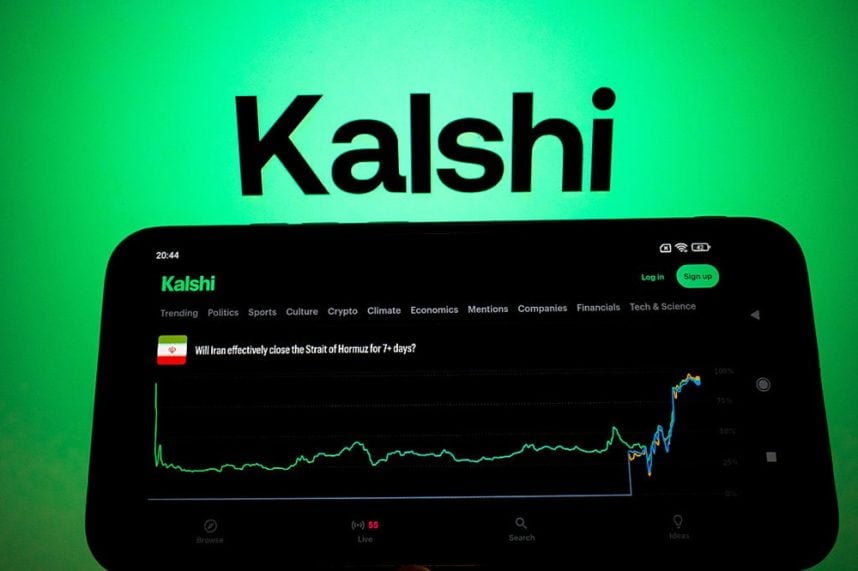
Recently, the prediction market titan launched an expansive commodities hub that includes a range of agricultural, energy, and soft commodities, aiming to attract more business from hedge funds and institutional investors. Although Kalshi typically allows trading around the clock, this practice does not align with established commodities trading norms in the U.S.
The Commodity Markets Council (CMC), a trade organization representing traditional exchanges for commodities such as corn, soybeans, and wheat, has reportedly engaged in multiple discussions with Kalshi concerning trading hours.
According to the CMC’s mission statement, “Our aim is to cultivate an open, competitive marketplace by leveraging the knowledge and resources of our members to promote and support market-based principles, addressing industry challenges related to agriculture, energy, finance, infrastructure, and transportation.”
The standard trading hours for the most traded agricultural commodities on the CME Group’s Chicago Board of Trade (CBOT) are from Sunday to Friday, 7:00 p.m. to 7:45 a.m. Central Time, including the hours from 8:30 a.m. to 1:20 p.m. Central Time.
Strategic Adjustment by Kalshi in Agricultural Commodities Trading Hours
Amidst ongoing legal hurdles linked to its substantial involvement in sports derivatives, altering the trading hours for agricultural commodities appears to be a wise strategy for Kalshi as it collaborates with the CMC and other stakeholders.
Another contributing factor involves regulatory considerations. The Commodity Futures Trading Commission (CFTC), the federal authority responsible for supervising prediction markets, also oversees domestic commodities markets.
Last year, former acting CFTC Chair Caroline Pham expressed support for extending trading hours to 24/7, 24/6, or 24/5 models, but this proposal encountered industry pushback.
For instance, the National Grain and Feed Association (NGFA) opposed increased commodities trading hours, citing concerns about rising costs and potential volatility. This claim holds some merit, as cash markets do not operate 24/7. If futures markets were to do so, producers of agricultural commodities could face heightened risks.
Fascinating Ties
The discussion surrounding trading hours for commodities and Kalshi’s collaboration with the industry and producers is intriguing due to significant intersections with prediction markets.
The CME and Intercontinental Exchange (ICE) are the two primary U.S. exchanges for agricultural commodities, and both are also involved in the prediction markets sector. CME has partnered with FanDuel for non-sport yes/no contracts, while ICE has invested $2.6 billion in Polymarket.