


On July 16, Madison Square Garden Entertainment Corp. (MSG) initiated a defamation lawsuit against Wired magazine. The lawsuit stems from allegations that MSG monitors celebrities within its venues based on their race, gender identity, and sexual orientation. MSG operates several prominent locations, including Madison Square Garden and Radio City Music Hall in New York, as well as the Sphere in Las Vegas.
The Wired article released on July 9, which was based on information obtained through a breach of MSG’s data by the hacking group ShinyHunters in June 2026, claimed that MSG assigns “risk scores” to certain individuals in its internal “talent” database. Out of approximately 40,000 entries in this database, around 400 were assigned risk scores, with 93 of those, including artists Ricky Martin and Phoebe Bridgers, identified as LGBTQ+.
Nevertheless, Wired did not assert that these risk scores were attributed to the individuals’ sexual orientation.

Risk scores can range from “low risk” to “DO NOT HOST,” which bars individuals from receiving complimentary tickets. Notable individuals in this category include producer Pete Rock, who advocated for a boycott of billionaire MSG/Sphere CEO James Dolan on X/Twitter, along with actor Will Harrison, actress Julia Fox, and comedian Adam Pally.
“For celebrities flagged with a risk score—even if categorized as low risk—it implies they have engaged in activities within the media or social network that drew negative attention,” stated an anonymous source for the Condé Nast-owned publication.
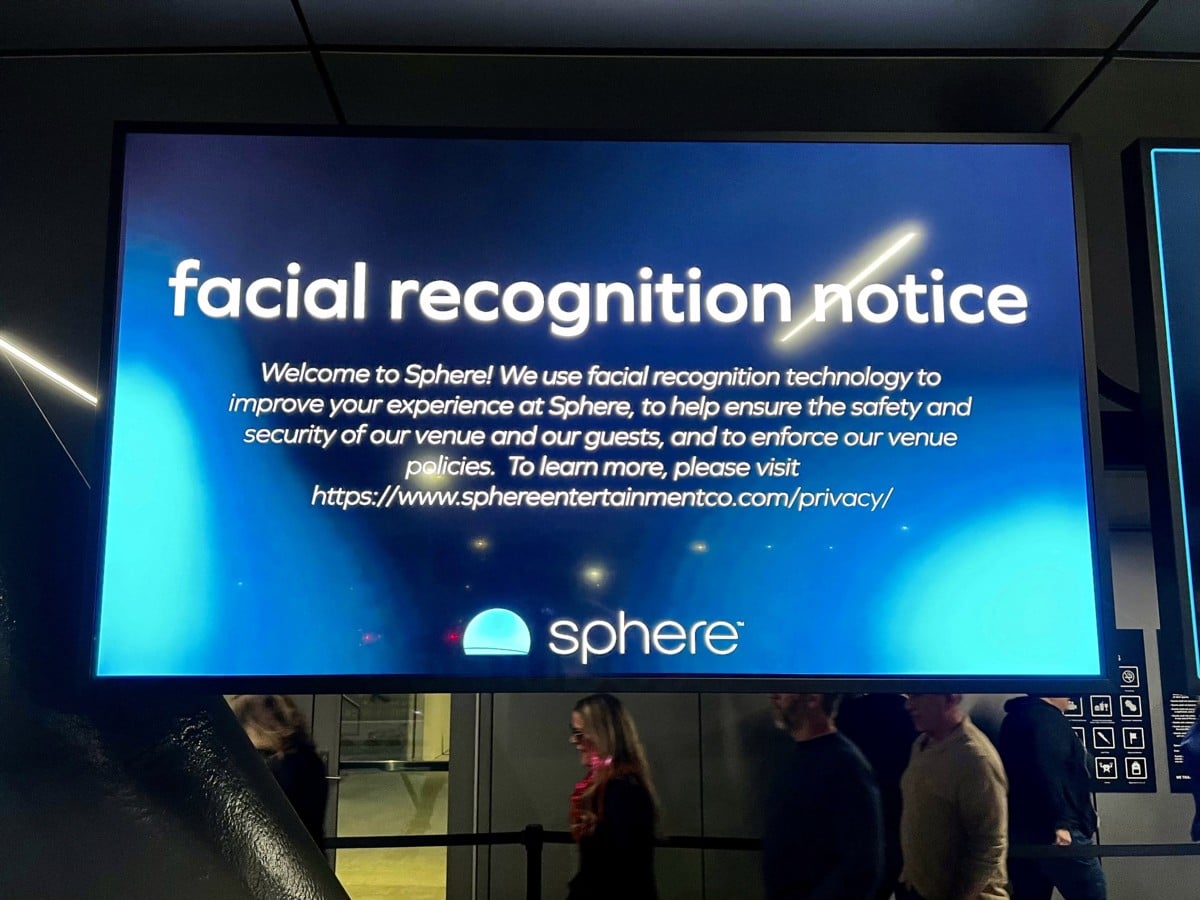
The most severe classification, “BANNED FROM MSG,” prevents entry into any MSG venue, even with a legitimate ticket, through facial recognition systems. Only rapper Lil Tjay has been identified in this category, due to an altercation with security during a February 2025 boxing match at the Garden’s Hulu Theater.
Additionally, non-celebrities can also be barred for making negative comments about Dolan. As per Wired, a graphic designer was denied entry to a March 2025 concert at Radio City Music Hall despite having a valid ticket, due to selling “Ban Dolan” merchandise in the past.
The Legal Action
In its lawsuit, MSG contends that the article from Wired was “unethical and incendiary.” MSG argues that the information was unlawfully obtained, contending that references to sexual orientation were merely “standard” customer service notes not intended for targeting or discrimination. The lawsuit claims that Wired’s reporting was distorted and sensationalized.
“Wired scoured the dark web, acquired stolen MSG data from a hacking group, and selectively used pieces to create a misleading narrative portraying MSG as discriminatory towards the LGBTQIA community,” the lawsuit claims. MSG also argues that the article falsely implies LGBTQ+ individuals are the same ones assigned risk scores.
“The suggestion that MSG maintains a database with a field for sexual orientation used for exclusionary, discriminatory, or risk-based purposes is false,” it asserts. “The defendants were aware there was no malicious ‘list’ of gay celebrities, and knew that the stolen data comprised various fields for each customer, such as contact details and dietary preferences, intended solely for relationship management.”
The lawsuit spans 40 pages, seeking a jury trial, damages including compensatory, presumed, special, and punitive fees, attorney costs, and a correction or retraction of the article’s claims and implications.
Wired Responds
In a statement regarding the lawsuit, Wired affirmed its commitment to its reporting, stating it will “fiercely defend against this unfounded and absurd lawsuit.”
“We are eager to continue our coverage on MSG and the manner in which billionaire James Dolan employs technology within his entertainment operations,” the statement concluded. “This is an essential aspect of our broader mission and the vital role of journalism—now more than ever—holding powerful entities accountable.”
Additionally, Wired announced via its social media that it has lifted the paywall on “two MSG stories they don’t want you to read,” granting public access to those articles. Among the allegations in the second piece, published in April 2026, is a claim that Dolan’s security team obsessively monitored the movements of a trans woman throughout Madison Square Garden for a two-year duration.