


Date Published: June 4, 2026, at 05:22h.
Last Updated: June 4, 2026, at 05:22h.

- Tlingit & Haida inaugurates Alaska’s latest tribal gaming center.
- Recent federal legal changes threaten the future of tribal gaming in Alaska.
- Historic trust lands complicate existing views on Native authority.
After years of planning and legal considerations, the Tlingit & Haida Indian Tribes have officially launched their Two Coppers Casino near Juneau, Alaska, on Wednesday.
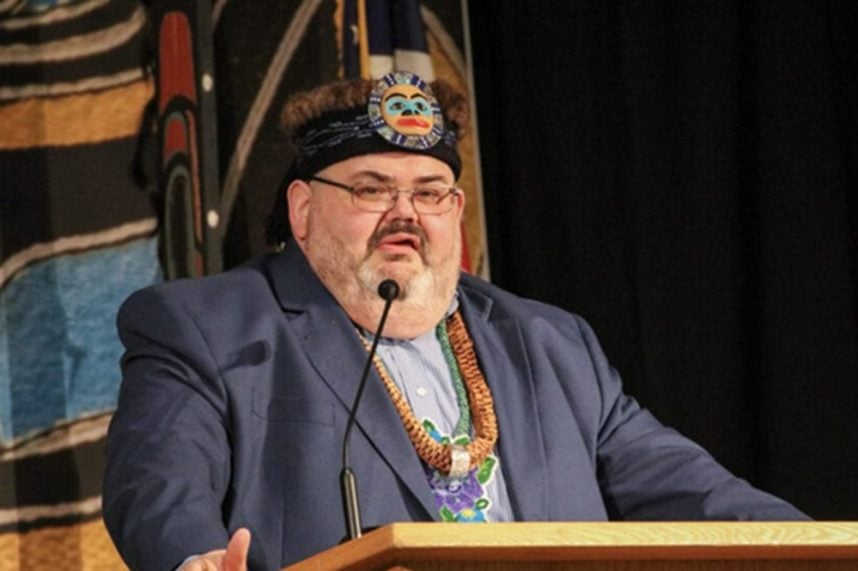
While the casino features around 100 class II gaming machines, the legal implications surrounding this establishment could significantly impact tribal sovereignty and gaming rights across Alaska.
In an interview with The Juneau Independent, Chalyee Éesh Richard Peterson expressed that the opening is a milestone for both economic advancement and an affirmation of tribal sovereignty.
He anticipates that the facility will not only contribute financial resources for tribal initiatives but also generate employment opportunities in the Juneau region. However, he also realizes that there may be legal challenges from state and federal entities.
Central to the debate is a long-standing issue concerning what constitutes “Indian lands” under the Indian Gaming Regulatory Act (IGRA) in Alaska.
Question of Status
In contrast with many tribes in the contiguous United States, Alaska Native tribes typically lack substantial reservation territories. This situation arises primarily from the Alaska Native Claims Settlement Act (ANCSA), which allocated 44 million acres of inalienable land and a monetary distribution of $962.5 million through a network of regional and village Native corporations.
Significantly, ANCSA, enacted 17 years prior to IGRA, redefined tribes as private corporations rather than sovereign entities with inherent powers.
This legal framework led many experts to believe that tribal gaming in Alaska was virtually impossible because IGRA mandates gaming operations to occur on lands where tribes possess recognized governmental interest or authority.
This landscape shifted briefly under the Biden administration, with a November 2022 Department of the Interior legal opinion indicating that ANCSA did not inherently prevent the federal government from taking land into trust for Alaska Natives. Consequently, this opened doors for the National Indian Gaming Commission (NIGC) to approve the casinos of Tlingit & Haida and Eklutna.
However, in September 2025, the Trump administration’s Interior Department overturned this interpretation, instructing federal agencies to revert to an earlier stance claiming that ANCSA effectively eliminated tribal jurisdiction over most land in Alaska.
This reversal led the state to initiate a lawsuit against the Eklutna casino, aiming to halt its operations.
Examining the Issue Further
Yet, the legal status of Alaska Natives is more convoluted than it might appear. Historical data reveals that the federal government accepted lands into trust for Southeast Alaska Native communities in Angoon, Kake, and Klawock from 1948 to 1950, a fact that has largely been overlooked.
These trust acquisitions predated the 1993 legal opinion by over four decades, indicating that Alaska’s legal territory was not as barren of tribal land bases as contemporary interpretations suggest.
In fact, on one of these historically trusted parcels, federal regulators would later determine that the Organized Village of Kake was eligible to conduct Class II gaming under IGRA.
Faced with state opposition, Tlingit & Haida and Eklutna tribes may embark on a long legal journey, potentially culminating in a ruling by the US Supreme Court. Meanwhile, Peterson maintains an optimistic outlook.
“I feel relatively confident,” he shared with The Juneau Independent. “If they decide to contest it, that’s their prerogative. However, I do not believe they have a solid legal basis for their argument, nor do I think they will prevail.”