


Published on: May 8, 2026, 11:31h.
Updated on: May 8, 2026, 11:31h.

- Pennsylvania’s leading gaming authority stands firmly against sports contracts in prediction markets.
- Kevin O’Toole urges the CFTC to limit the trading options available in prediction markets.
Kevin O’Toole, Executive Director of the Pennsylvania Gaming Control Board, expresses strong disapproval of the recent “lawful innovation” in federally regulated prediction markets.
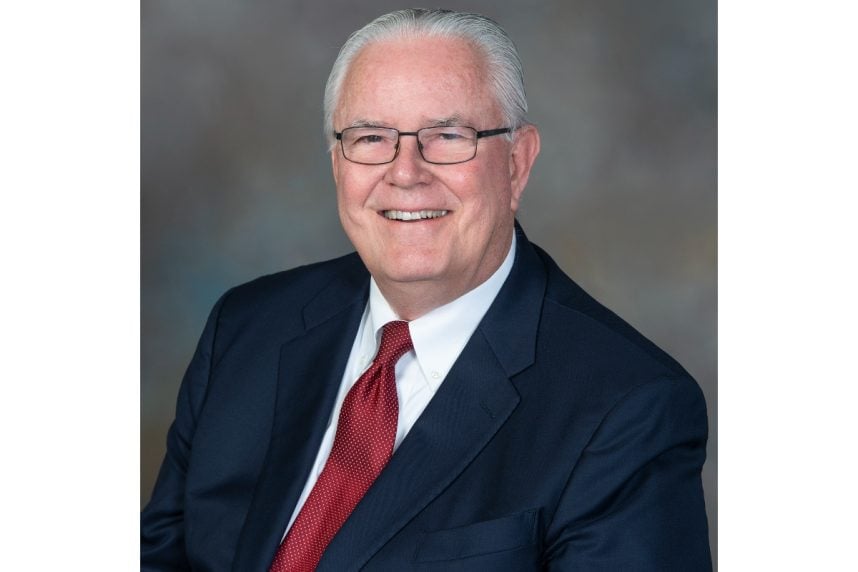
O’Toole oversees one of the largest gaming sectors in the U.S., renowned for its financial success.
In 2025, licensed gaming operators in Pennsylvania reported a gross revenue of $6.79 billion, marking the fifth consecutive year of record performances. Only Nevada and New Jersey have surpassed this revenue in commercial gaming.
In a letter to the Commodity Futures Trading Commission (CFTC), O’Toole articulated his disapproval of prediction markets that trade contracts based on sports, political events, and cultural trends, emphasizing his deep concerns over the CFTC’s significant shift in standards for these markets.
“The market has worsened. People can now place bets not only on sports but also on popular culture and political happenings, such as whether a certain celebrity will show up at the Met Gala, who will win Survivor, or if President Trump will say ‘Make Iran Great Again,’” O’Toole commented.
“The mere capability of the government to undertake an action does not equate to the necessity of doing so,” stated the Pennsylvania gaming authority head.
Concerns Surrounding Prediction Markets
During Trump’s second term, the CFTC has expanded the scope of what prediction markets with DCM designations can trade on. Last year, platforms like Kalshi introduced trading contracts related to sports outcomes, which many regulators, attorneys general, lawmakers, and tribal leaders assert could constitute illegal sports betting.
CFTC Chair, Michael Selig, appointed by Trump, deems these offerings as “lawful innovation.” O’Toole disagrees with this perspective.
“By allowing DCMs to operate as unregulated sportsbooks, the Commission has strayed from its original mandate, disregarded established regulations, and exposed a vulnerable group of young adults to potential harm,” O’Toole asserted.
In December, the Pennsylvania Council on Compulsive Gambling noted that prediction markets, which are accessible to anyone 18 and older, are contributing to a rise in problem gambling among younger individuals. Josh Ercole, Executive Director of the Council on Compulsive Gambling of Pennsylvania, mentioned that for the first time, the 18- to 24-year-old age group is the most frequent callers to the 1-800-GAMBLER helpline.
PGCB Echoes Trump’s Views
While the president has shown support for prediction markets during his second term, he acknowledged last month that the “entire world has essentially turned into a casino” when discussing the DOJ’s indictment of a special forces member for insider trading in a prediction market.
“The PGCB aligns with the concerns voiced by the president,” O’Toole stated.
“Ultimately, the Board understands that DCMs operate for profit, and thus, they will naturally seek to expand the range of prediction markets they can provide. However, it remains incumbent upon regulators to scrutinize various wager offerings for prudence,” O’Toole remarked.
“That said, even if the CFTC can authorize these marketplaces, it may not be in the best interest of American citizens to do so, particularly as a significant number of market participants are at risk and there are no safeguards preventing their entry into these platforms,” the regulator concluded.