


The outlook for skill-based gaming machines in Pennsylvania remains ambiguous after state officials chose not to incorporate provisions within the 2026-27 budget aimed at establishing a regulatory framework and tax structure for these controversial gambling devices.
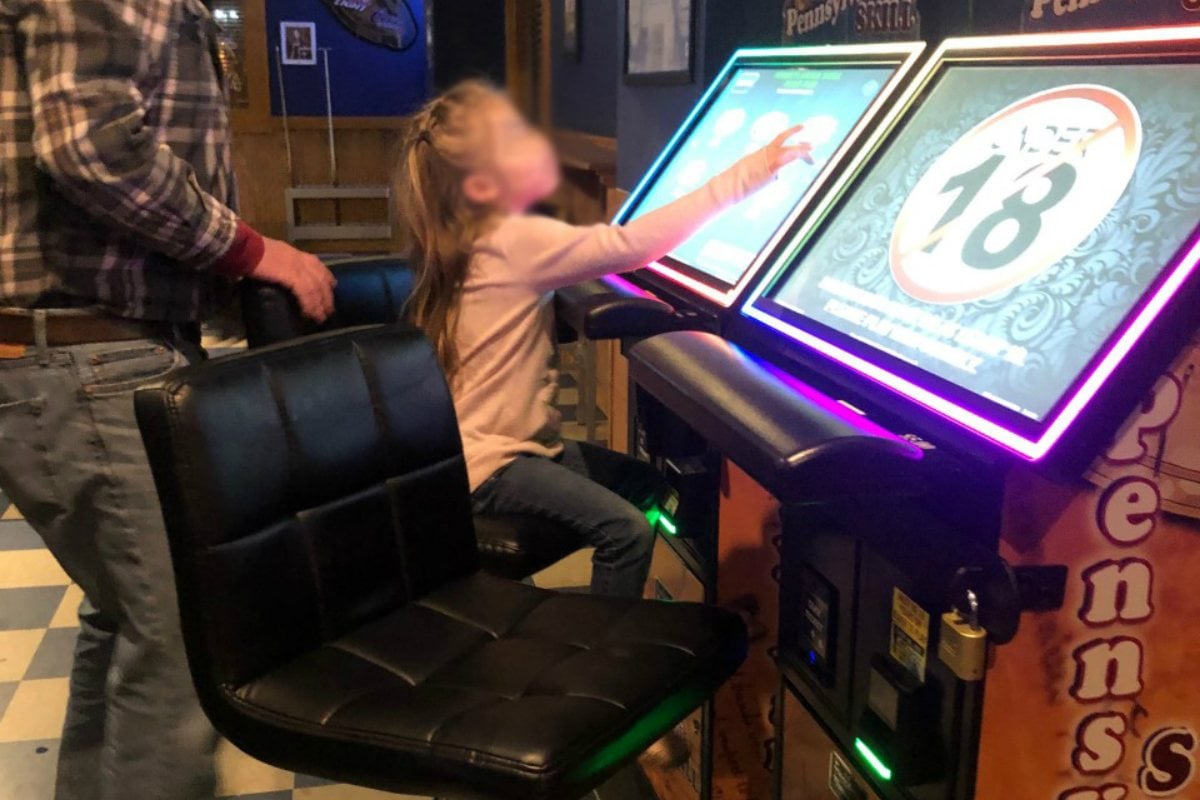
Recently, the Pennsylvania Supreme Court determined that skill games qualify as illegal slot machines. The state’s highest judicial authority dismissed claims from the skill gaming sector arguing that these devices should not be categorized under the Gaming Act, citing their inclusion of memory-based bonus rounds that permit player influence over payout rates, which undermines randomness.
In order for skill games to remain operational following the Supreme Court’s 120-day stay deadline of October 27, 2026, legislative action is imperative. If no steps are taken, businesses will be forced to deactivate these machines starting October 28.
Legislation on Skill Games
The Pennsylvania General Assembly passed the 2026-27 budget without including measures to legalize and regulate skill games. This omission leaves essential revenue streams, which many local businesses attribute to skill games, at risk.
Skill games have existed in Pennsylvania for nearly ten years in a legally ambiguous state. Marketed as Pennsylvania Skill, a prominent product from the Georgia-based tech firm Pace-O-Matic, assembled by the Pennsylvania-based Miele Manufacturing, supporters assert that these machines have been vital for small businesses enduring the challenges of the COVID-19 pandemic and the pressures of inflation.
Numerous lawmakers in Harrisburg have aligned with skill gaming advocates, recognizing the benefits these games provide in sustaining small businesses and preserving jobs for residents. They often dismiss the casino industry’s concerns, which argue that these games compete with traditional slot machines.
House Bill 2557 and Senate Bill 1079 aim to legalize and oversee skill games, although neither has advanced through committee approval yet. With the budget matter set aside, these proposals might gain momentum as state representatives hear feedback from local business owners.
The current legislative session in Pennsylvania extends until November 30, 2026.
Resistance from Casinos
Pennsylvania boasts the second-largest gaming market in the U.S., generating over $7 billion in gross revenue in the last fiscal year. The industry advises lawmakers to reject skill gaming legislation, maintaining that gambling machines should be confined to strictly regulated environments rather than being found in convenience stores and gas stations.
Critics of skill games raise concerns over their accessibility to minors, potential crime attraction, and the possibility that self-excluded problem gamblers can easily engage with them. Additionally, casinos argue that the presence of skill games negatively impacts their profit margins, leading to reduced tax revenue for the state (which imposes one of the highest tax rates on gross slot revenue at 55%).
In 2025, retail casino slot revenues decreased by 0.6% to $2.43 billion compared to 2024. This translates to roughly $15.2 million less than the previous year, though the rise of online slots may also be contributing to this downturn.