


Published on: April 13, 2026, 03:04h.
Updated on: April 13, 2026, 03:04h.

- Robinhood takes steps to curb insider trading
- Access to prediction markets for traders is being restricted
- Event contracts represent a significant segment for the online brokerage
In response to increasing scrutiny concerning insider trading in prediction markets, Robinhood Markets (NASDAQ: HOOD) is limiting the types of event contracts available to its users.
According to Jordan Sinclair, president of Robinhood UK, the firm is focused on eliminating insider trading and market manipulation. Consequently, their selection of yes/no contracts may be more limited compared to rivals in the market.
This announcement comes as Congress urges the administration for further insights into suspicious trading activities on Polymarket linked to the conflict in Iran. As Casino.org reported earlier, several new accounts on Polymarket garnered substantial profits from event contracts related to ceasefire negotiations, raising eyebrows in media and on Capitol Hill.
Unlike conventional financial markets, prediction markets currently escape federal and state insider trading regulations, though some lawmakers are advocating for changes at the federal level. While not yet illegal, insider trading within prediction markets can harm the industry’s reputation and public trust, prompting Robinhood to take a proactive stance.
Robinhood’s Cautious Approach
Robinhood has solid motivations for curbing fraudulent activities within its prediction market offerings, particularly as this sector is reportedly experiencing unprecedented growth, as noted by CEO Vlad Tenev.
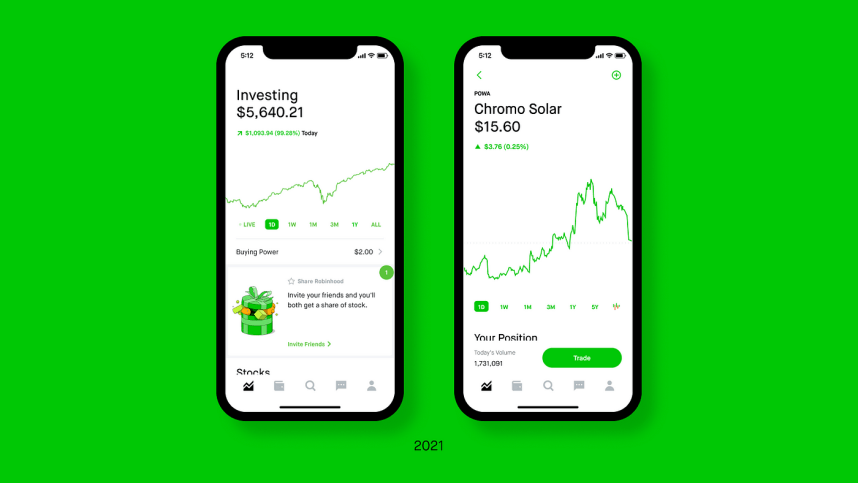
The brokerage has faced reputational setbacks linked to trading practices in the past. During the peak of the meme stock phenomenon in 2021, Robinhood faced backlash from retail investors for momentarily restricting trading in AMC Entertainment (NYSE: AMC) and GameStop (NYSE: GME)—two key contributors to that year’s meme stock surge.
In January 2021, Robinhood expanded its list of restricted stocks to include 50 different equities, largely comprising those favored by retail investors. In specific instances, users could only execute trades for a solitary share of the restricted stocks, alongside no options contracts connected to those equities.
Data from Business of Apps reveals that the average account value on Robinhood over the last two years hovered between $4,000 and $5,000, further confirming its primary base of retail clients who are vocal about perceived market injustices.
Exclusion of Mention Markets
In his conversation with The Financial Times, Sinclair did not elaborate extensively on which specific yes/no derivatives Robinhood is omitting but confirmed that mention markets are among them.
Mention markets are characterized by betting on statements made during events like earnings calls or political speeches. These contracts are particularly susceptible to manipulation and insider trading.
Earlier this year, Kalshi took action against a former employee of YouTube influencer MrBeast for trading on mention markets while possessing insider information.
Last October, Coinbase (NASDAQ: COIN) CEO Brian Armstrong, whose company is now involved in prediction markets, faced criticism after jokingly listing phrases connected to mention markets during an earnings call.