


Published on: June 23, 2026, at 11:14 AM.
Updated on: June 23, 2026, at 11:14 AM.

- A recent Politico survey reveals that nearly half of Americans oppose betting on election outcomes
- General sentiments towards the prediction markets sector remain largely neutral
- A significant majority supports the idea of betting on sports events
Prediction markets face a challenge in changing public perception in the U.S. A positive initial step might involve restricting access to one of the sector’s most controversial products: political betting contracts.
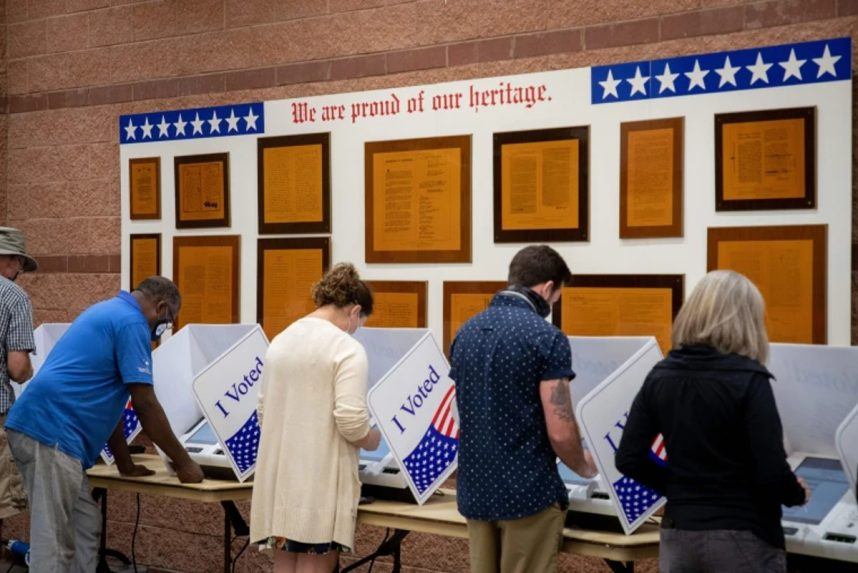
A recent Politico poll executed by U.K.-based Public First indicates that the public is largely against betting on election results. Only 30% of participants believe it should be permissible to wager on electoral outcomes, while 44% disagree. When it comes to betting on comments from the president or news narratives, referred to as mention markets, 40% think such derivatives ought to be banned, and a similar 43% oppose betting on potential presidential pardon recipients.
The survey doesn’t indicate how the industry might respond to these negative sentiments regarding political markets, but it’s probable that little will change. The 2024 presidential election played a pivotal role in bringing firms like Kalshi and Polymarket into the public eye.
The 2024 election remains one of the most traded events in the history of the prediction market industry, though it could easily be eclipsed in trading volume by the upcoming 2026 midterms. Other political events, such as the 2025 New York City mayoral race, have also led to sharp increases in activity on yes/no platforms.
Positive Outlook on Sports Betting Contracts
While respondents expressed reservations about political event wagers, they showed stronger support for sports betting contracts, which are essential for the prediction market sector.
Fifty-three percent of those surveyed believe that sports betting should be legalized, more than doubling those who think otherwise. An additional 23% remain undecided on whether sports betting should be allowed. A majority in favor is likely encouraging for the prediction market industry, which relies heavily on sports trading.
Recent evaluations from Stifel reveal that sports-related derivatives make up 58% of the total turnover at Kalshi, the largest prediction market in the U.S. When factoring in another 27% attributed to combinations or parlays, largely favoring sports, this figure increases significantly.
Addtionally, other markets gaining traction among Americans include weather-related betting (46%) and wagers on awards shows (45%), with only about a quarter opposing these options according to the Politico survey.
Perception Challenges Facing Prediction Markets
Despite growing mainstream acceptance among younger audiences, the prediction market sector still grapples with reputation challenges. Only 19% of respondents in the Politico poll hold a positive view of prediction markets, while 29% express negative sentiments. Fifty-two percent either feel neutral or are unaware.
Political affiliations showcase some divides in opinions. Politico notes that 25% of 2024 Trump voters have a favorable view of prediction markets, compared to merely 20% of voters for former Vice President Kamala Harris.
Neutral sentiments are evenly split between Harris and Trump voters at 27% each, but a notable gap appears on the negative end—36% of Harris supporters disapprove of prediction markets, versus 27% of Trump supporters.