


Published on: June 30, 2026, 11:44h.
Updated on: June 30, 2026, 12:42h.

Recently, the Nevada Gaming Commission took the step of removing two deceased mobsters from Kansas City off its Black Book (the List of Excluded Persons), illustrating that death is essentially the sole method for getting off this list. (This point was further emphasized when regulators denied a hearing to living petitioner Francis Citro Jr.)
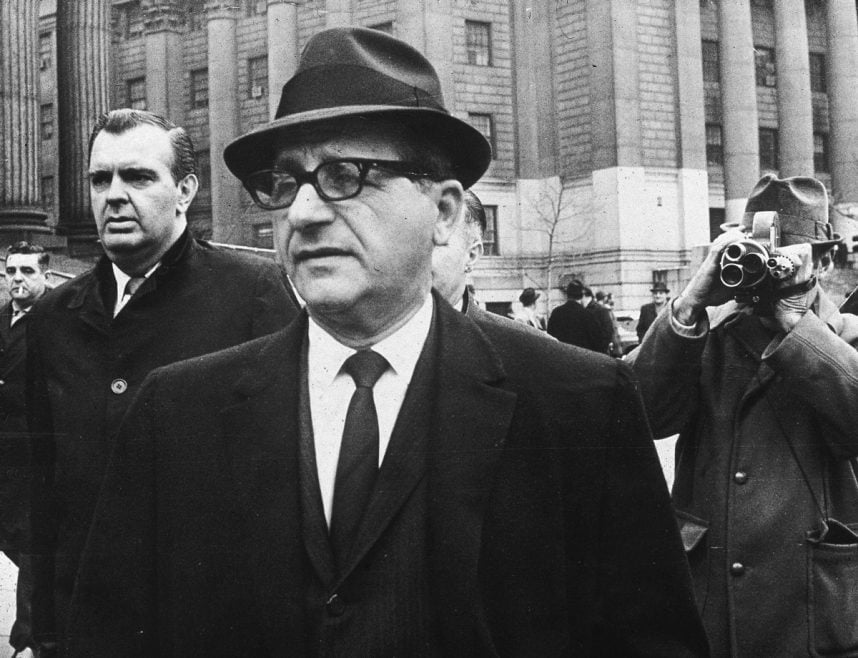
On June 13, 1960, the Nevada Gaming Control Board unveiled an unofficial publication loosely bound and humorously titled the “Black Book,” indicative of its binding color.
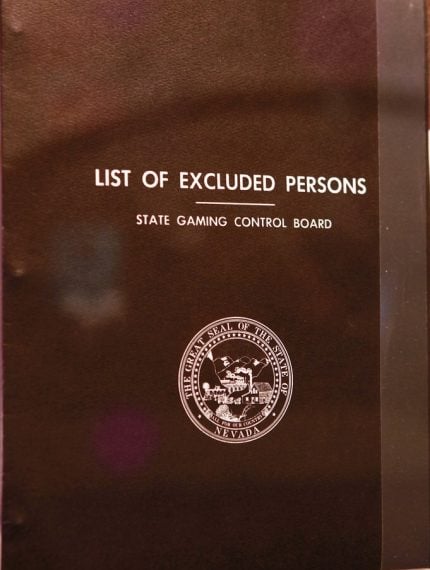
The initial book featured eleven “individuals with notorious or questionable reputations” destined for permanent bans from gambling, management, or entry into any Nevada casino.
Today, although the existing list comprises roughly three dozen names, most are contemporary slot cheats and scammers, the majority of whom are not widely recognized, except for Matthew Bowyer, the illicit bookmaker who almost crippled the Las Vegas Strip last year. Most of the historically significant and notorious names are connected to organized crime during the mob-centric period of Las Vegas.
Considering this context, let’s explore the 10 most infamous individuals ever documented in the Black Book. As there are no official rankings based on notoriety within the state, this compilation is subjective, derived from a mix of their criminal exploits, direct influences on Nevada gambling, and ongoing public notoriety.
Out of the ten, seven were part of the original eleven names designated in 1960 (designated as the Class of 1960), whereas the remaining three were added later during the peak of the mob’s impact in Las Vegas.
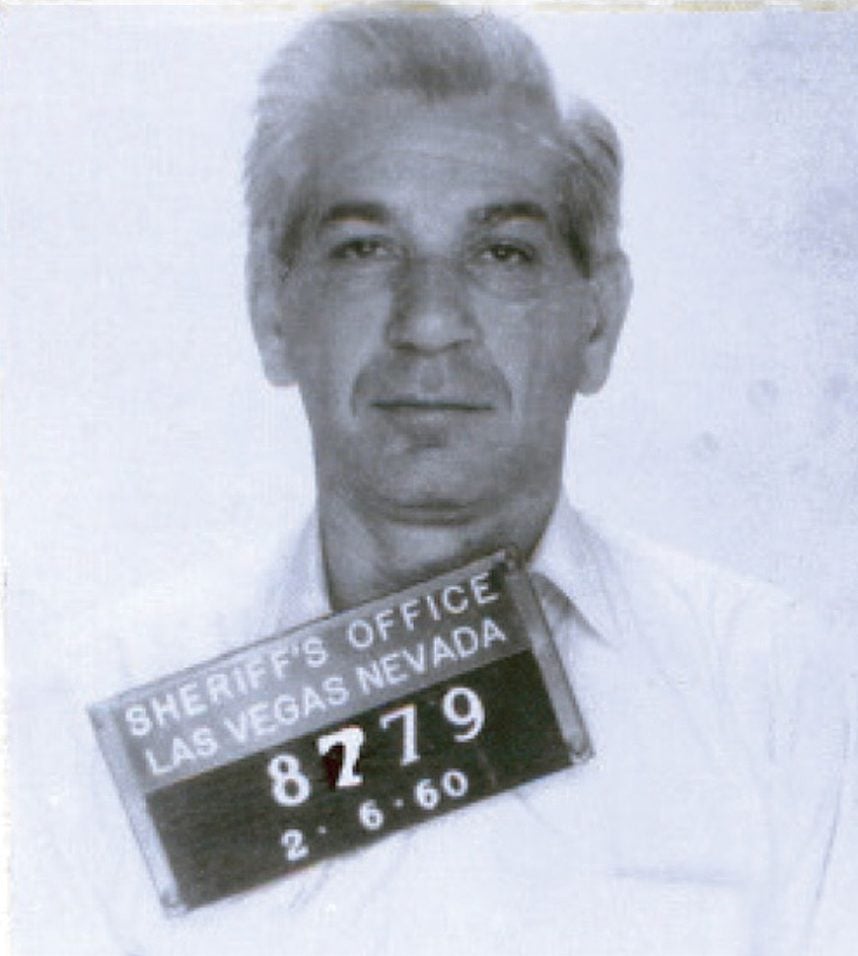
#10. John “The Bat” Battaglia
(Class of 1960)
A notable soldier within the Los Angeles crime family, Battaglia had close ties with L.A. mob leader Louis Tom Dragna and high-profile fixer Johnny Roselli, remaining deeply entrenched in the West Coast underworld during the 1950s and ’60s. His behavior hastened the implementation of the Black Book. On February 7, 1960 — just before the finalization of the exclusion list — local sheriff’s deputies apprehended Battaglia and Dragna for dancing with their spouses at the Desert Inn’s exclusive Sky Room, leading to their arrest on vagrancy charges, a method commonly used to disrupt mobsters enjoying the Strip.
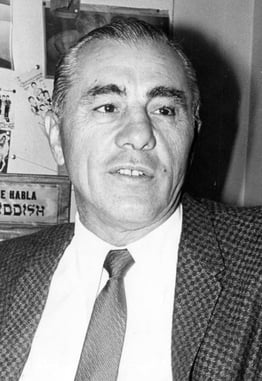
#9. Joseph “Wild Cowboy” Sica
(Class of 1960)
Sica was a violent enforcer for the mob who began his career within Mickey Cohen’s bookmaking syndicate before joining the L.A. crime family. In addition to his covert interests in Nevada gambling, he significantly influenced the illegal bookmaking scene in Southern California alongside his brother, Fred. Sica’s heavy-handed tactics eventually caught up with him shortly after his inclusion on the Black Book: In 1961, he faced conviction in a major federal extortion case linked to boxing figure Frankie Carbo for forcefully shaking down the manager of welterweight champion Don Jordan.
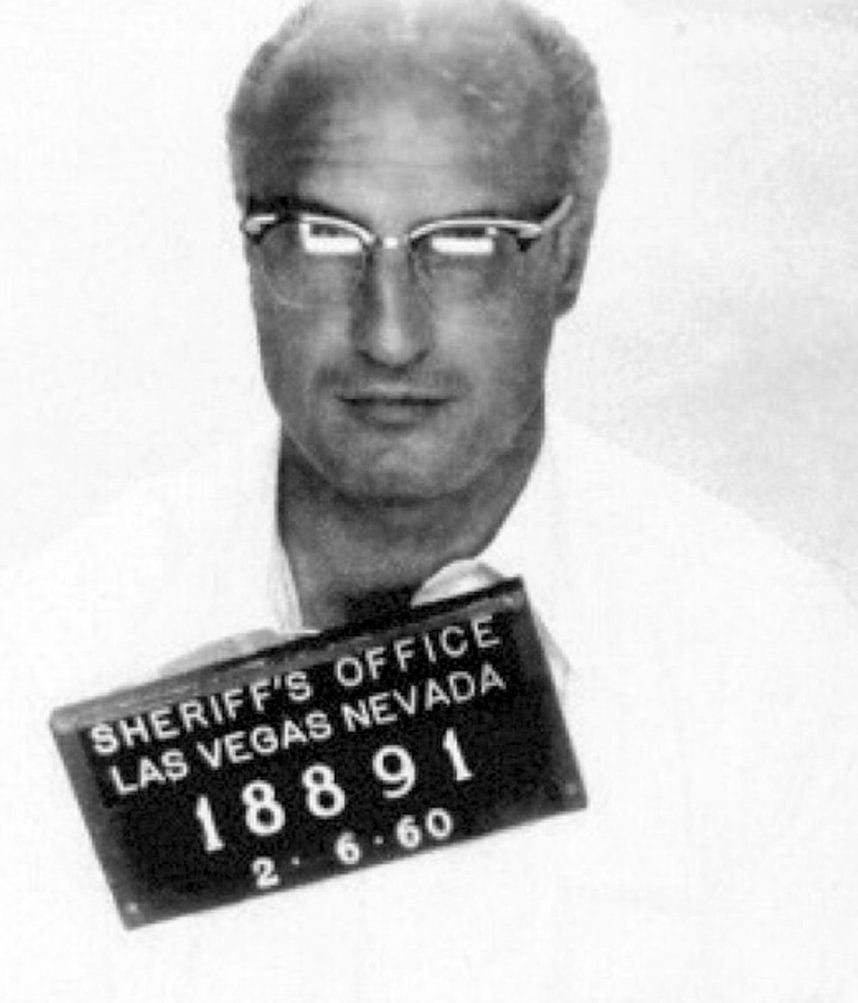
#8. Louis Tom Dragna
(Class of 1960)
Dragna (born Gaetano Dragna) gained a place on the original list as an influential captain and acting boss of the L.A. crime syndicate, believed to be deeply involved in various Vegas skimming and extortion activities. Known as “The Reluctant Prince” by mob informant Jimmy “The Weasel” Fratianno, Dragna preferred to run a legitimate garment business generating $10 million a year instead of engaging in street violence. He remained the last living member of the Class of 1960 until his death in 2012, when the Nevada Gaming Commission officially removed him from the list in 2014.
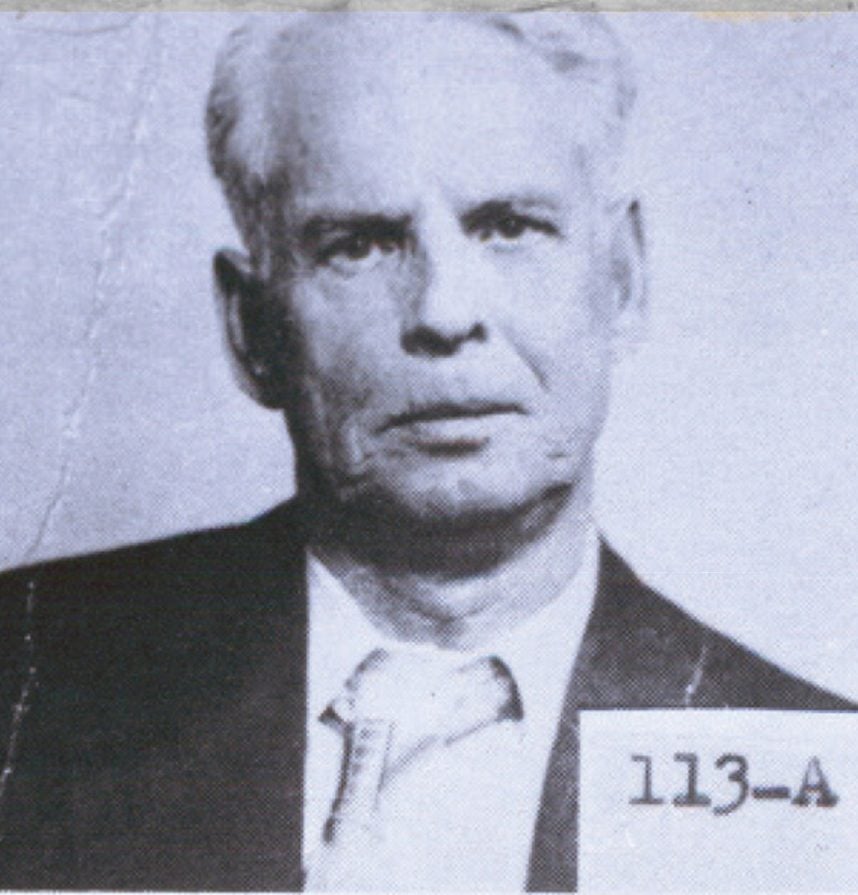
#7. Murray “The Camel” Humphreys
(Class of 1960)
Although Humphreys wasn’t directly active in day-to-day operations in Las Vegas, he was one of the most strategically significant mob figures ever added to the Black Book. A high-ranking lieutenant who took over Al Capone’s Chicago Outfit, he served as an adept political strategist and labor union fixer. Regulators recognized his influence given that the hidden funds fueling Strip casinos stemmed from the Outfit’s top echelon. Humphreys effectively harnessed the Teamsters Central States Pension Fund, transforming union retirement cash into major financing for casino construction in America.
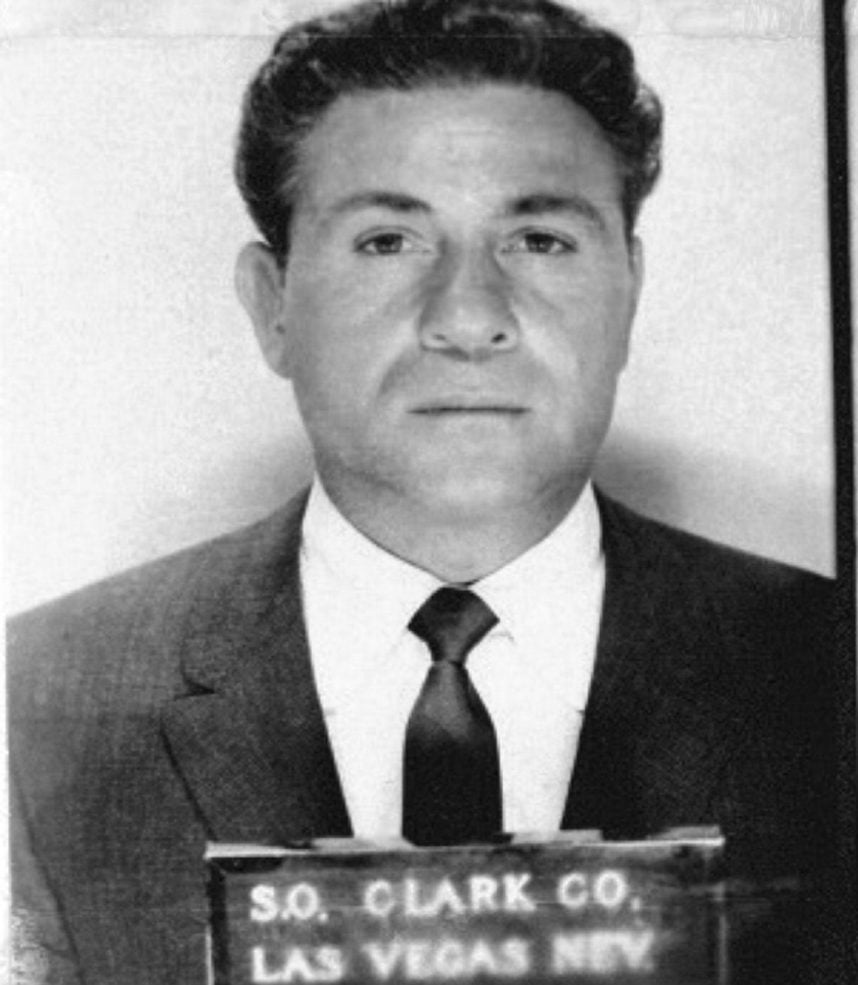
#6. Marshall Caifano
(Class of 1960)
Marcello Guiseppe Caifano, known as Johnny Marshall in Las Vegas, assumed control of the Chicago mob’s interests in Las Vegas after Bugsy Siegel’s assassination on June 20, 1947. A notorious enforcer suspected in numerous gang-related killings, he was sent to Las Vegas to secure the mob’s casino investments. Completely undeterred by his 1960 Black Book ban, Caifano continued frequenting Strip casinos and accepting complimentary services, challenging the state’s authority. He even instigated a landmark federal lawsuit against Nevada Governor Grant Sawyer, attacking the book’s constitutionality. His eventual loss in court affirmed the state’s legal right to exclude organized crime figures.
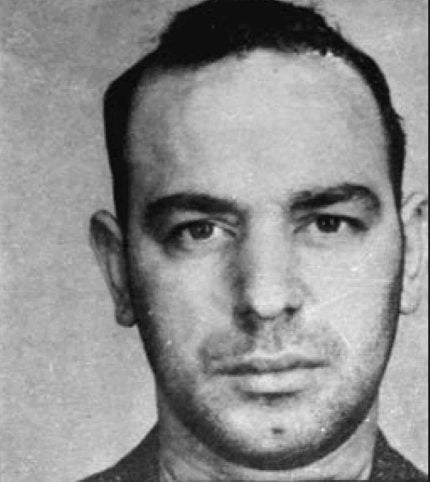
#5. Nicholas Civella
(Class of 1960)
Civella led the Kansas City crime family and played a pivotal role in large-scale casino skimming schemes during the 1970s and early 1980s. His crew, including his lower-ranking brother, Carl, also placed on the first Black Book, systematically siphoned off millions from Las Vegas casinos (particularly the Tropicana and Stardust) prior to the funds being counted. While dangerous and effective, Civella’s operations were more covert compared to the flashy displays of other mobsters.
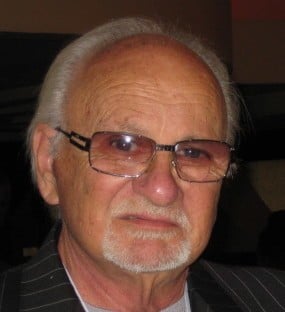
#4. Frank Cullotta
Frank Cullotta served as Anthony Spilotro’s loyal right-hand man and was an integral component of the Hole in the Wall Gang, committing various burglaries and armed robberies across Las Vegas. After becoming a government informant, Cullotta emerged as a crucial witness against the Chicago Outfit’s Vegas ventures. His revealing testimony shed light on how the mob was plundering casinos. As a result of his later cooperation and media exposure (including books and documentaries), Cullotta gained a public profile surpassing that of many other Black Book names, though his role leaned more toward enforcement rather than leadership.
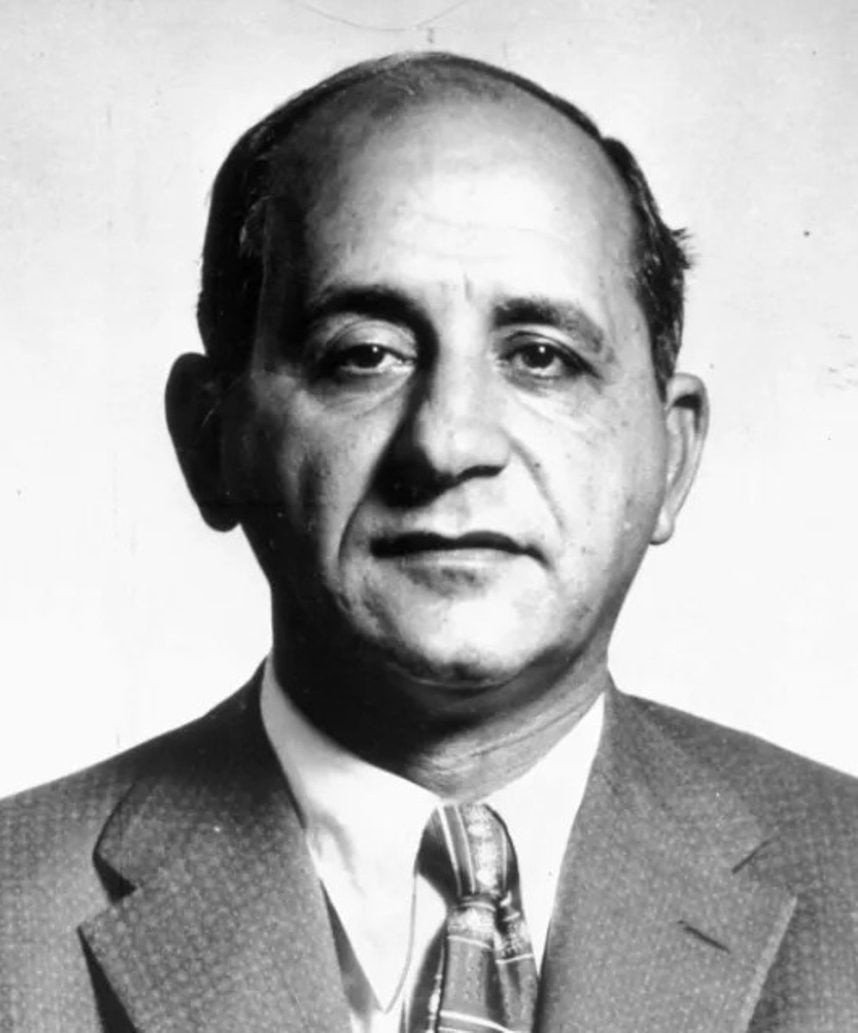
#3. Sam Giancana
(Class of 1960)
Recognized as the most infamous figure of the Class of 1960, Sam Giancana was the powerful and ruthless head of the Chicago Outfit during its zenith. His control over the Sands, Riviera, and Desert Inn generated approximately $2 billion annually for the mafia, as reported by the FBI. Giancana maintained relationships with political elites and celebrities, linking him to both JFK and CIA plots against Fidel Castro, as well as Frank Sinatra — a connection that cost Sinatra his friendship with JFK and led to him relinquishing his 50% stake in the Cal-Neva Lodge. Giancana was photogenic at the Lodge in July 1963, even while listed in the Black Book, leading to a Nevada Gaming Control Board probe that resulted in Sinatra losing his gaming license.
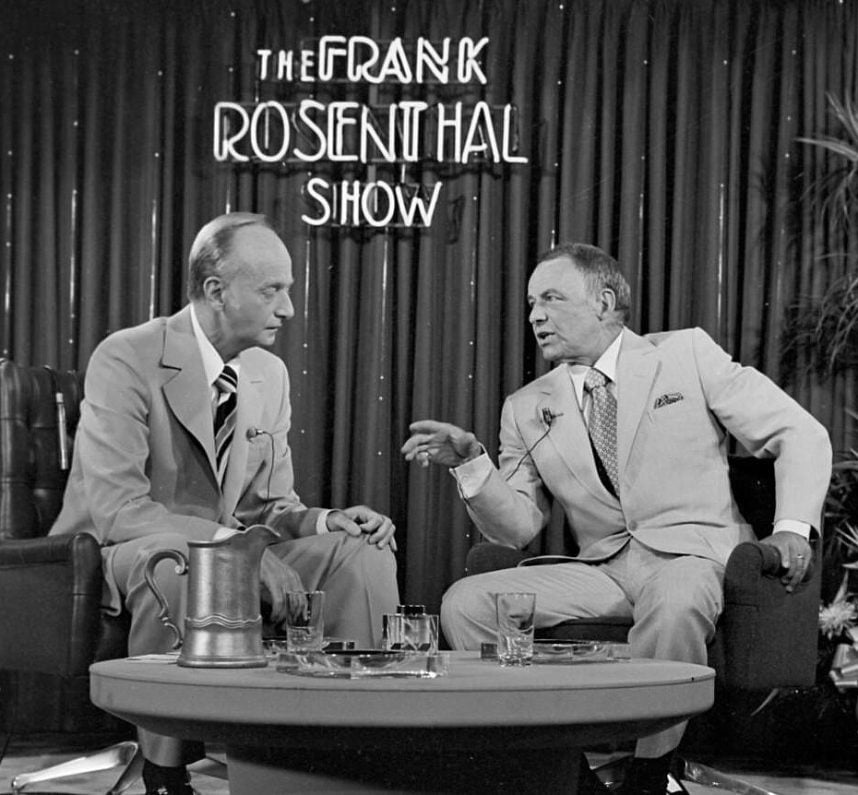
#2. Frank “Lefty” Rosenthal
As the public face of the Chicago Outfit’s casino activities in the 1970s, Rosenthal oversaw multiple Las Vegas establishments (most notably the Stardust) from which the mob skimmed large amounts of money. Uniquely, unlike his peers listed in the Black Book and mobsters aside from Al Capone, Rosenthal openly flaunted his actions. He epitomized the concept of ‘hiding in plain sight,’ even hosting his own cable TV program, The Frank Rosenthal Show, where he interviewed various Las Vegas celebrities. His life story was also dramatized in the film Casino, and many wondered how such an unpleasant person could inspire a character performed by Robert De Niro. This is due to Rosenthal consulting with Nicholas Pileggi on both the book and the film, ensuring a portrayal that painted him in a more favorable light.
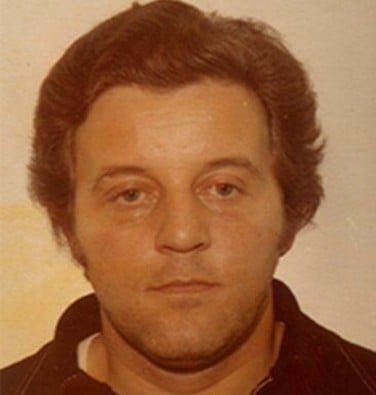
#1. Anthony “Tony the Ant” Spilotro
Anthony Spilotro — the inspiration behind Joe Pesci’s character in Casino — stands as the most infamous individual ever recorded in the Nevada Black Book. As the brutal enforcer for the Chicago Outfit in Las Vegas during the 1970s and early 1980s, he led a group responsible for numerous violent crimes, including murder and robbery, while securing the mob’s casino skimming endeavors. The FBI suspected him to be involved in approximately 20 to 25 murders. Spilotro’s ruthless reputation and open defiance of law enforcement solidified him as the most feared figure in the history of Las Vegas.