


Date of Publication: June 8, 2026, 07:31h.
Updated on: June 8, 2026, 03:59h.

While Las Vegas became the epicenter of the gambling industry from the 1940s to the early 2000s, the practice was banned from 1909 to 1931 and faced strict limitations prior to that time.
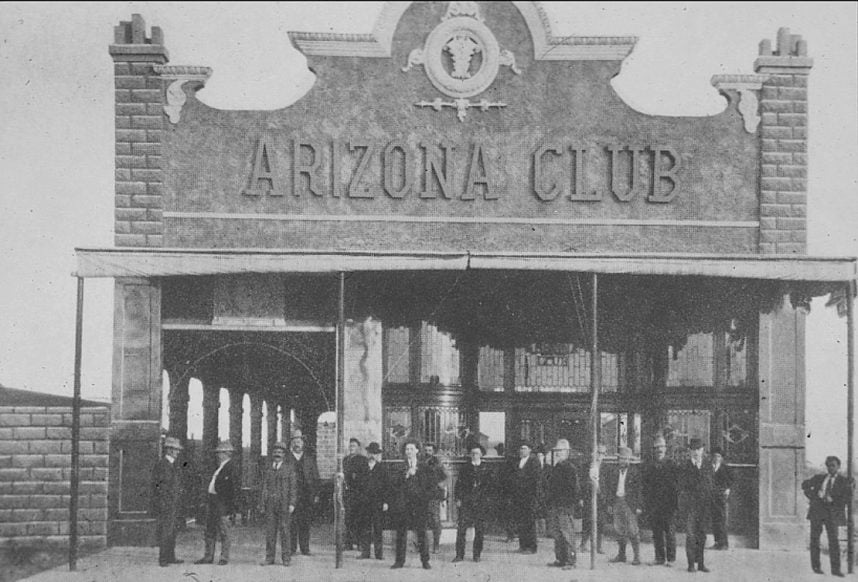
Before the arrival of the railroad and after the original Mormon settlers left, Las Vegas functioned as a rough mining settlement. On March 4, 1869, Nevada enacted “An Act to Restrict Gaming.” Despite its seemingly moralistic name, the legislation actually legalized gambling, enabling the state to tax an activity that miners engaged in regardless.
Following this, another law came in 1877 under a misleading title: “An Act to Prohibit the Winning of Money from Persons Who Have No Right to Gamble it Away.” Instead of outlawing gambling, it aimed to protect workers exploited by companies offering scrip, redeemable only at their gambling tables—a form of early consumer advocacy.
An actual anti-gambling movement emerged in 1909 when Nevada enacted a statewide ban influenced by Progressive Era reforms.
Underground Gaming
Despite the ban, gambling persisted underground, similar to how illicit activities operate today. While operators risked criminal charges, patrons were largely spared, as arresting tourists was not seen as a path to sustainable revenue.
Temporary relief arrived in 1919, permitting social card games like poker and limited pari-mutuel betting capped at $2. However, slot machines and full-scale casino gaming only returned on March 19, 1931, coinciding with the last two years of federal alcohol prohibition.
This legislative shift occurred when Governor Fred Balzar enacted Assembly Bill 98, overturning the previous ban. (The 1877 statute had already been annulled.)
The vote was decisively in favor, with the Assembly approving it 24-11 and the Senate 13-3.
There’s a legend that Al Capone’s influence played a role in this decision; however, we’ll delve into that myth in a future article.
Pioneering Licensed Casinos
On April 1, 1931, the Las Vegas city council issued the initial batch of casino licenses to seven venues termed “clubs,” which included the Northern Club, Las Vegas Club, Boulder Club, Big Four Club, Exchange Club, Rainbow Club, and Meadows Club.
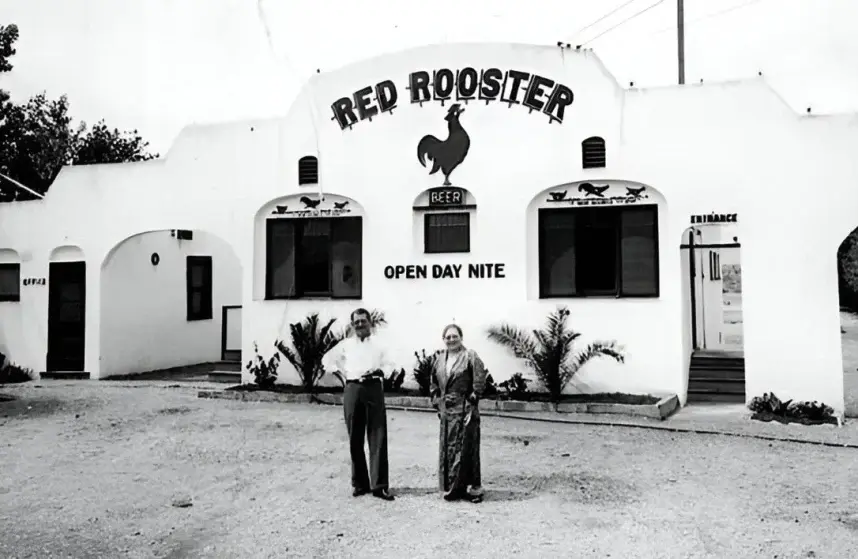
The following day, an important license was accorded to the Red Rooster, situated in a remote area along Highway 91—an area where the Mirage volcano would later rise. The limited license granted it permission for one blackjack table and three slot machines, positioning Alice “Ma” Morris as the mother of the Las Vegas Strip.
At the time, many considered the new legislation unremarkable. With Nevada in a financial crisis during the Great Depression, legalized gambling was viewed merely as a stopgap measure for revenue rather than a grand vision.
The signing of the bill received minimal press, with only a brief mention on the front page of the March 20 edition of the Las Vegas Evening Review-Journal. A day later, managing editor Albert Cahlan penned an opinion piece cautioning against excessive enthusiasm regarding the law, suggesting that “conditions will very little differ from the present state.”
These words turned out to be profoundly misguided concerning Las Vegas’s future.
Stay tuned for “Vegas Myths Busted” every Monday on Casino.org. Visit VegasMythsBusted.com for more myth-busting insights. Have a myth you think needs debunking? Email [email protected].