


Published on: May 14, 2026, 08:32h.
Updated on: May 14, 2026, 08:33h.

- Kalshi has generated $35 million in revenue this year solely from grouped sports event trades
- Critics of prediction markets argue that these transactions resemble parlay-style sports betting
Kalshi counters accusations that its prediction market functions as an unauthorized sportsbook by facilitating the trading of sports event contracts. However, a recent analysis indicates that the platform has amassed significant revenues from traders bundling sports events into single options this year.
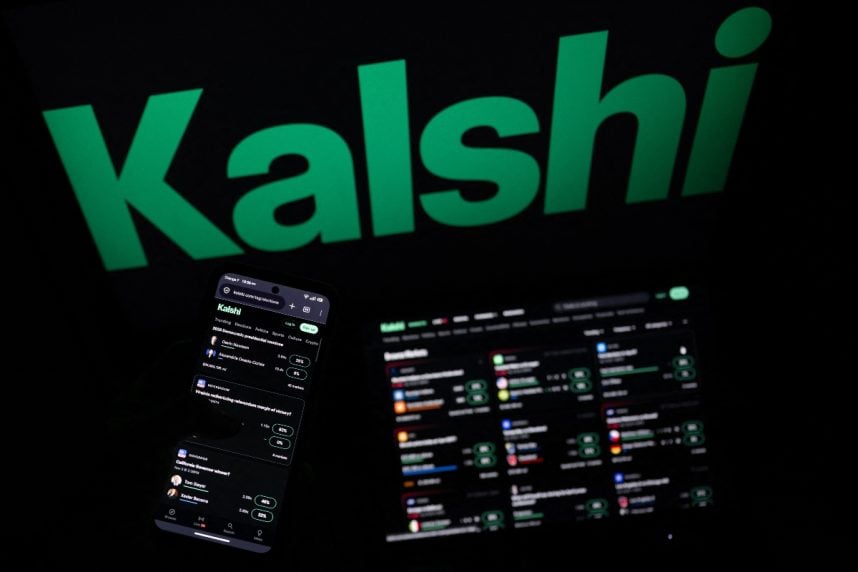
According to Sportico, an analysis of Kalshi’s publicly available data on Dune, a site that monitors prediction market trading activity, reveals that Kalshi earned “at least” $35 million in fees from bundled sports event contracts through April 2026.
In the realm of sports betting, merging multiple bets into one wager is referred to as a parlay. Whether designated as a sports betting parlay or termed something different (DraftKings Predictions calls them Combos), such bundled transactions come with longer odds, resulting in higher payouts.
Parlays are lucrative for sportsbooks, drawing bettors to place small wagers with the hope of attaining a substantial return. Similarly, parlay-like options are significant revenue drivers for prediction markets.
Parlay Prediction Market Transactions
Sportico indicates that Kalshi’s users have incurred losses totaling $116.8 million on 2026 sports contracts consolidated into single positions.
In contrast to a sportsbook, Kalshi doesn’t typically act as the house in its standard peer-to-peer contracts. When a trader aggregates multiple sports event contracts into a unified trade, Kalshi requires a counterpart to complete the transaction.
The Commodity Futures Trading Commission (CFTC) regulates prediction markets at the federal level, forbidding exchanges from taking a side in trades and necessitating that platforms function as intermediaries only.
To address the challenge of needing a counterpart for a newly created parlay, Kalshi collaborates with institutional market makers, such as Pennsylvania-based Susquehanna International, which frequently assumes the “No” position.
Kalshi and its partnered market makers have recently employed marketing strategies to promote combo trades. When a trader selects a sports contract, the platform suggests potential parlay options based on what’s trending among other users. This marketing initiative has boosted combo trading and resulted in increased revenue for both Kalshi and the market maker, with earnings shared between them.
Trading Activity
The notional trading volume on Kalshi has reached unprecedented heights. As of May, the prediction market is witnessing approximately $4 billion in executed trades weekly.
Kalshi commands a 72% share of the prediction market landscape in the United States, and its influence continues to expand. Recently, Bloomberg reported that, after an eight-month period of growth, the notional trading volume on Polymarket has decreased for the first time.
The business news organization noted that Polymarket’s trading volume across both its offshore and US platforms saw a 9% decline to $10.3 billion in April. In contrast, Kalshi’s volume experienced a 13% increase.
Polymarket attributed the decline in trading activity to the fact that the network was undergoing a “technical overhaul” aimed at enhancing trading speed and execution.