


Concerns around Bally’s financial health have caused Gaming and Leisure shares to retreat recently. However, an analyst sees this as a potential buying opportunity.
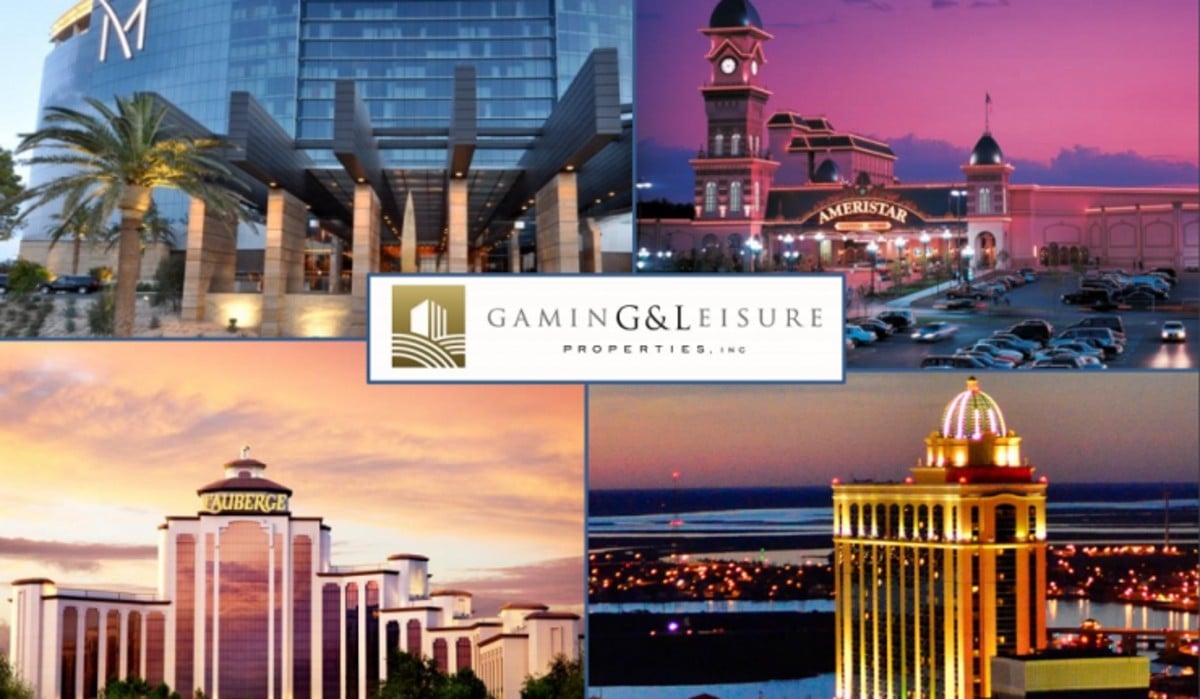
Gaming and Leisure Properties has been impacted by negative news related to Bally’s, its second-largest tenant. Bally’s paused construction at its Chicago casino hotel project, financed by Gaming and Leisure, due to issues with video gaming terminals.
In a regulatory filing, Bally’s expressed doubts about its future without additional financing. Analyst Mitch Germain believes this situation presents an opportunity for investors.
“We believe these doubts do not capture the full picture of Bally’s story, and we deem it temporary, as recent conversations with Bally’s management suggested financing discussions are advancing for incremental capital related to the construction of a downstate New York casino, including construction financing or a REIT partner, while we see potential asset sales (or real estate) as a viable option if needed,” observes Germain.
The analyst rates Gaming and Leisure as “market perform” with a price target of $55, potentially offering a 31% upside from the Aug. 18 close.
Gaming and Leisure Properties Analysis
Bally’s accounts for 19% of Gaming and Leisure’s rent collection, warranting investor concern. However, details suggest the REIT may be undervalued due to Bally’s issues.
Germain points out that the Chicago construction pause should not impact the REIT’s financing, as it is unrelated to the going concern matter. Funding needs are focused on Bally’s Bronx casino project, which Gaming and Leisure is unlikely to fully finance.
Germain believes Gaming and Leisure’s stock could benefit from strong funding commitments, stable rent collections, and its status as a value play.
“That said, the stock trades at a highly discounted ~10x 2027E acquired funds from operations per share (AFFOPS), more than two turns below the net-lease sector average,” adds Germain.
Risks Associated with Bally’s
Despite risks tied to Bally’s investments and recent acquisitions, Germain sees potential for the company to raise capital through various means, such as selling assets like the Tropicana Las Vegas operating rights.
“We suspect much of this uncertainty is a function of ‘accounting procedure’, as Bally’s management is confident that current discussions regarding financing partners will bear fruit, with a focus on New York, while we suspect the company could look to the Tropicana as a potential disposition candidate,” notes Germain.
Speculation surrounds Bally’s Las Vegas operations, with potential for divestment to generate cash. However, the company has not confirmed plans to sell these operating rights.