


Crypto.com and Robinhood Markets (NASDAQ: HOOD) are urging the U.S. Supreme Court (SCOTUS) to determine that the Commodity Exchange Act (CEA) prevents states from regulating sports event contracts.
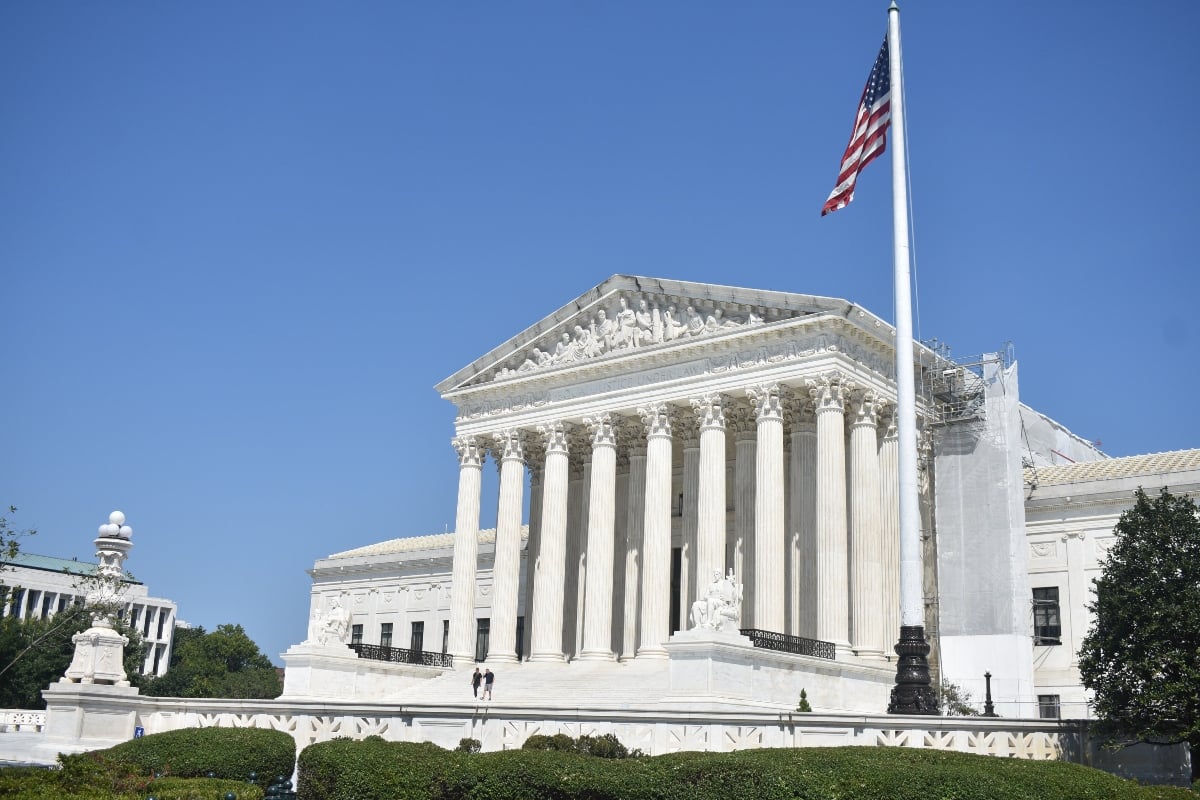
After recent rulings on prediction markets by the Third and Ninth Circuit Courts of Appeals, Crypto.com and Robinhood filed petitions with the Supreme Court in a bid to prompt the high court to determine if the CEA could prevent states from regulating sports derivatives traded on prediction markets. The companies aim to consolidate regulatory authority with the Commodity Futures Trading Commission (CFTC) — the federal regulator of prediction markets.
In summary, Crypto.com and Robinhood are relying on federal preemption in their SCOTUS petitions. This effort likely stems from the belief that the CFTC’s jurisdiction over prediction market operators outweighs any state authority claimed.
Crypto.com, Robinhood Seeking Legal Clarity
Crypto.com and Robinhood, following the announcement of a prediction market partnership where the latter acquired an equity stake in the former, may be using the CEA to seek the legal clarity prediction market operators and states seek.
Enacted by President Franklin Roosevelt in June 1936, the CEA is fundamental to the CFTC’s regulatory mandate and U.S. commodities trading.
“The Commodity Exchange Act (CEA) regulates the trading of commodity futures in the United States. Passed in 1936, it has been amended several times since then,” according to the CFTC. “The CEA establishes the statutory framework under which the CFTC operates. Under this Act, the CFTC has authority to establish regulations that are published in title 17 of the Code of Federal Regulations.”
Prediction market operators believe the CEA applies to their ability to offer sports event contracts since the law defines a “swap” as a contract dependent on the occurrence, nonoccurrence, or extent of an event with potential financial, economic, or commercial consequences.
Generally, some legal experts and states argue that the CEA’s intent is not to bypass states’ regulatory authority over wagering at the federal level.
Forecasting SCOTUS Moves
As of now, SCOTUS has not responded to the petitions from Crypto.com and Robinhood. Response times to petitions can vary from a few weeks to several months.
While individual petitions differ from full cases, there is a growing belief in the investment community that the Supreme Court could hear a prediction market case as early as November or before the end of the second quarter of 2027.
The outcome of such a case remains uncertain, but one thing is clear: if the Supreme Court takes on a prediction market case, it will provide the clarity sought by the industry, investors, and states.